Regulatory compliance is no longer a static task it’s an ongoing, dynamic process that affects revenue, risk, and operational performance.

Federal and state rules are continuously updated
Privacy, billing, reimbursement, and fraud regulations intersect

Multiple departments and systems must coordinate compliance tracking

Track risk assessments, training, BAAs, PHI encryption, and incident resolution

Monitor IPPS/OPPS/PFS updates, MACRA/MIPS/APM performance, and audit findings

Manage GFE processes, OON billing incidents, provider directory audits, and IDR cases

Track provider/vendor relationships, VBE structures, and safe harbor exceptions and more
Identify compliance gaps before they become financial or reputational issues
Stay current with federal, state, and payer requirements
Reduce manual tracking and improve cross-department coordination
Ensure all documentation, reporting, and evidence are up to date
Healthcare CFOs, compliance officers, finance leaders, and operational managers responsible for regulatory oversight.
Yes, including HIPAA, HITECH, CMS rules, Stark Law, Anti-Kickback, Medicare Advantage, and state-specific mandates.
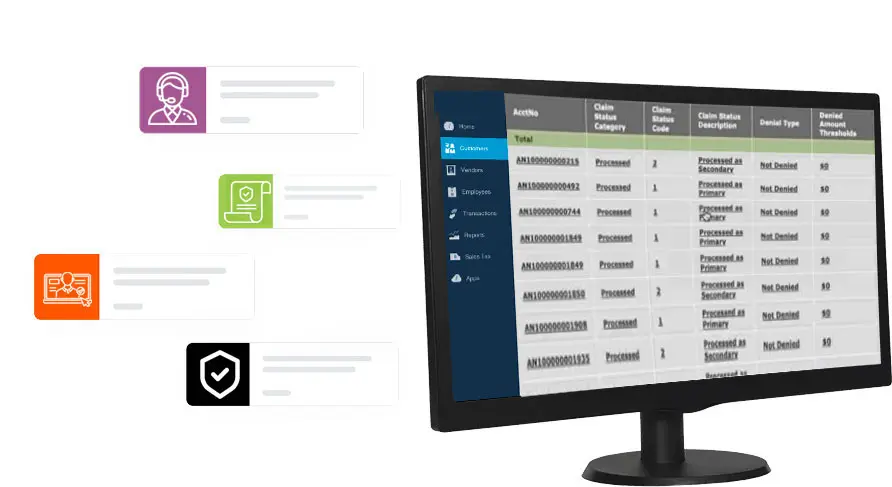
Absolutely. The dashboard provides structured tracking, alerts, and documentation for governance and audit purposes.
Yes, the toolkit is designed to integrate with GRC software, PowerBI, or Excel dashboards.
Quarterly updates are recommended, with weekly/monthly monitoring for high-risk items or critical deadlines.
By assigning department-level leads, color-coded indicators, and structured reporting, it ensures accountability and operational alignment across Finance, Operations, Legal, and IT.