Financial planning and analysis (FP&A) is the backbone of strategic growth in healthcare. Tight margins and volatile payer dynamics demand accurate projections, scenario planning, and variance monitoring. An FP&A template provides CFOs with consistency and clarity helping align financial operations with business goals while enabling data-driven initiatives that fuel sustainable growth.

Model revenue, expenses, and scenarios with confidence, reducing uncertainty in financial strategy.

Bring clarity and consistency to planning cycles, empowering leaders with real-time, actionable insights.
Shift financial planning from compliance-driven reporting to a competitive advantage that drives growth.

Learn why standardized FP&A is critical for forecasting, scenario planning, and managing tight healthcare margins.

See how insights from hospital and multispecialty CFOs shaped this plug-and-play FP&A framework.

Gain practical steps to strengthen planning, variance analysis, and KPI tracking for better outcomes.

Discover how CFOs improved forecasting accuracy, shortened planning cycles, and aligned strategy with financial goals.
A proven framework designed for healthcare CFOs to simplify financial planning and forecasting.
Bridge the gap between financial data and business goals for more precise, informed decisions.
Shorten planning cycles, reduce risks, and turn FP&A into a driver of competitive advantage.
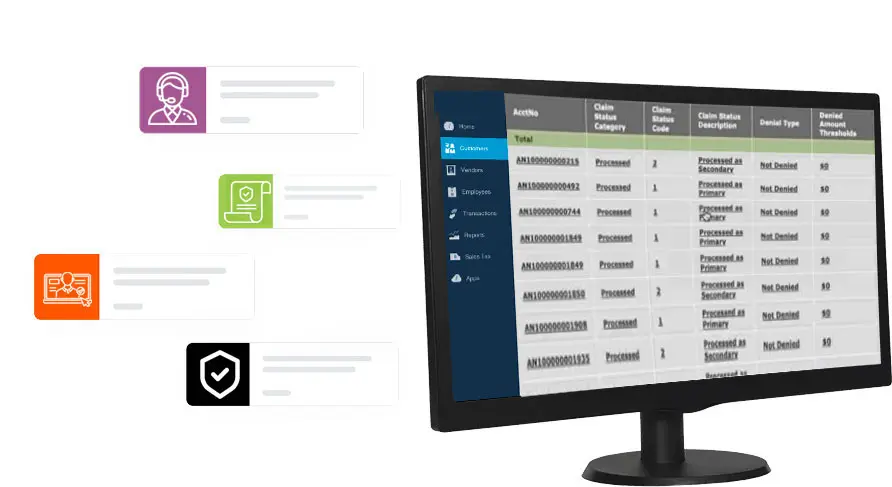
Healthcare CFOs need an FP&A template to standardize forecasting, scenario modeling, and performance tracking, ensuring strategic financial stability.
The template integrates forecasting models, variance analysis, and KPI tracking tailored for healthcare financial planning.
BillingParadise built the template using insights from hospital and multispecialty CFOs, combining best practices in healthcare finance.
CFOs saw improved forecasting accuracy, faster planning cycles, and stronger alignment between financial operations and business goals.
Healthcare CFOs, finance directors, and executive teams looking to strengthen planning, improve decision-making, and reduce financial risks.
By providing structured, reliable insights, it helps CFOs shift financial planning from compliance reporting to a strategy-driven function.