Healthcare CFOs face the challenge of making sound financial decisions while operating under narrow margins. Without systematic cost analysis, inefficiencies in service lines, poor contract negotiations, and hidden financial blind spots go undetected. A cost analysis template provides clear visibility into direct and indirect costs, helping CFOs allocate resources effectively, minimize waste, and build a foundation for long-term financial responsibility.

Identify wasteful spending and hidden costs to strengthen operational efficiency

Use accurate cost insights to support pricing strategies and contract discussions.

Diversify portfolios, leverage financial tools, and integrate AI to secure assets. Ensure maximum returns and minimize risks across your entire operation.

Understand how systematic cost tracking supports smarter resource allocation and decision-making.

See how insights from hospitals, specialty practices, and ASC networks shaped this cost analysis framework

Learn how CFOs improved budgeting visibility, contract negotiations, and strategic pricing with this template.

Gain proven methods to turn financial blind spots into opportunities for savings and profitability.
A structured framework that simplifies cost breakdowns across departments and service lines.
Equip leadership with actionable insights for smarter budgeting and resource allocation.
Proactive cost management reduces waste, enhances negotiations, and drives sustainable savings.
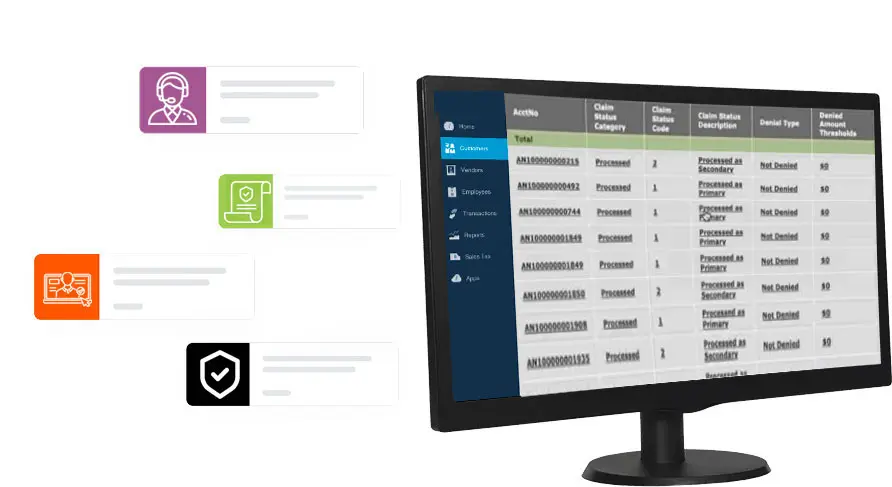
To maintain financial stability, ensure quality patient care, and mitigate risks from cyber threats, mismanagement, and regulatory challenges, safeguarding all your critical assets.
Evolving cyber threats, regulatory non-compliance penalties, financial mismanagement, rising operational costs, and workforce shortages pose significant risks to healthcare investments.
Implement robust security protocols like MFA, conduct regular updates, provide staff training, and leverage technologies such as blockchain for secure patient records.
A single cybersecurity breach can lead to substantial financial loss through fines, legal fees, operational disruption, and severe reputational damage, directly impacting stability.
Adhere to HIPAA, implement multi-factor authentication, ensure regular security updates, provide staff cybersecurity training, and maintain robust IT infrastructure.
Outdated technology creates significant security vulnerabilities, leads to regulatory non-compliance, causes operational inefficiencies, and often requires costly updates or replacements, endangering investments.