Healthcare CFOs must balance cost containment, compliance, and operational agility. Centralization drives efficiency and standardization, while decentralization boosts responsiveness and local innovation.

Centralized models reduce costs; decentralized models fuel top-line expansion.

Central authority ensures alignment; local autonomy accelerates responsiveness.

Balancing pilots and experimentation against system-wide consistency. efficiency.

Standardized billing, compliance, vendor contracts, and shared services to maximize efficiency.

Local decision-making for patient access, market responsiveness, and workforce flexibility.

Blending centralized governance with local agility for operational and financial success.

Revenue cycle, patient access, service line budgeting, procurement, and clinical innovation.
Make informed decisions about centralization, decentralization, or hybrid models.
Reduce costs, optimize revenue, and strengthen cash flow across multi-facility systems.
Align workforce, revenue cycle, and service delivery strategies for efficiency and resilience.
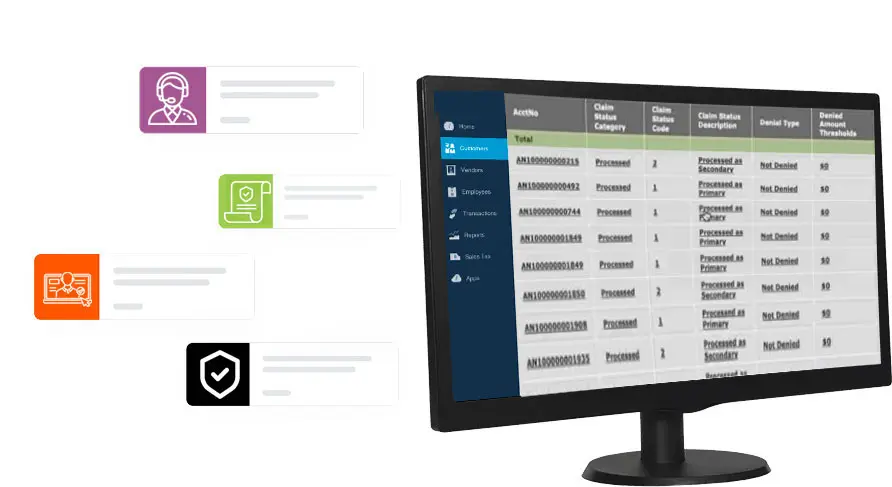
It affects cost efficiency, compliance, operational agility, patient access, and financial performance across multi-facility systems.
BillingParadise analyzed multi-facility healthcare operations, interviewed CFOs, and studied RCM, workforce, and clinical management trends to create actionable guidance.
Improved cost control, predictable cash flow, optimized labor utilization, and better alignment between clinical and financial outcomes.
Faster local decision-making, market-responsive care, flexible staffing, and the ability to pilot innovations without risking system-wide consistency.
ERP platforms, cloud EHRs, AI analytics, RPA, and data mesh architectures enable centralized governance while allowing local leaders autonomy to act.
Healthcare CFOs, finance leaders, and operations executives in multi-facility systems seeking to optimize financial strategy, compliance, and operational performance.