The modern healthcare landscape is unstable, with payer contracts, regulatory demands, and patient volumes shifting rapidly. Static annual budgets quickly become outdated, leaving organizations vulnerable. Agile planning equips CFOs with tools for real-time corrections, scenario building, and adaptive forecasting. By moving beyond the conventional budget, leaders can respond faster to financial shocks, keep plans current, and strengthen organizational resilience.

Adapt instantly to shifts in contracts, regulations, and patient demand.

Engage leadership teams in real-time planning for greater accountability and alignment.

Minimize forecasting errors and strengthen decision-making through adaptive, data-driven strategies.

Understand why static financial planning fails in a fast-changing healthcare environment.

See how real-time RCM data, predictive analytics, and multi-location insights shaped this flexible framework.

Learn how CFOs reduced forecasting errors, improved adaptability, and aligned investments with mid-year shifts.

Practical guidance on embedding agile planning into your financial strategy.
A proven methodology to keep financial plans current, flexible, and data-driven.
Equip your organization to handle unexpected financial shocks with confidence.
Enable leadership to align on real-time financial goals for greater accountability.
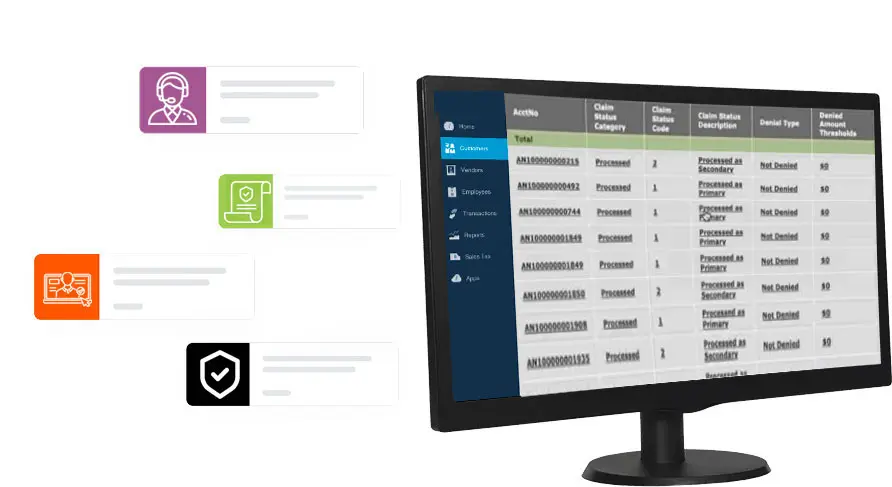
Annual budgets are too rigid for today’s dynamic healthcare environment. Agile planning offers real-time adaptability to meet changes in contracts, regulations, and patient demand.
Agile planning uses real-time data, predictive analytics, and scenario modeling to help CFOs adjust strategies quickly and improve resilience.
We collaborated with CFOs facing unpredictable cycles, applying RCM data, predictive tools, and multi-location insights to create a flexible framework.
CFOs reported fewer forecasting errors, improved adaptability, stronger collaboration across departments, and greater control over financial shifts.
Healthcare CFOs, finance leaders, and executives are seeking to move beyond static budgets and adopt adaptive, real-time planning.
By enabling faster responses to financial shocks and aligning leadership around real-time goals, agile planning strengthens long-term stability.