The first 90 days define credibility and momentum. Without a clear roadmap, legacy problems, siloed data, and departmental friction can overwhelm even seasoned leaders. A 90-day plan creates focus: assess fast, prioritize the few moves that matter, and establish operating rhythms that sync finance with clinical and operational goals. By pairing agile reviews with rolling forecasts, new CFOs keep plans current, convert reactive firefighting into structured execution, and lay the groundwork for durable growth and resilience.

Identify wasteful spending and hidden costs to strengthen operational efficiency

Surface inherited issues fast data silos, denial hot spots, cash traps and assign owners. Convert reactive firefighting into a focused action plan with measurable checkpoints and timelines.

Sync finance with clinical and ops by aligning KPIs, cadences, and dashboards. Improve cross-department accountability so strategy, spend, and capacity decisions move in lockstep.

Why annual budgets fail in volatile environments, and how agile, rolling forecasts keep plans current amid payer changes, regulations, and shifting patient volumes.

Research from real CFO transitions, turnaround work, and RCM diagnostics distilled into a practical, flexible framework that scales from clinics to health systems.

Organizations using this plan cut forecasting errors, responded faster to shocks, and coordinated mid-year investments with clearer ownership and fewer bottlenecks.

Exact steps for the first 30, 60, and 90 days assessments, governance, dashboards, denial controls, and cadence rituals to institutionalize agility.
A time-boxed action plan with checklists, meeting cadences, and templates for assessments, KPI baselines, and early wins—ready to customize for your organization.
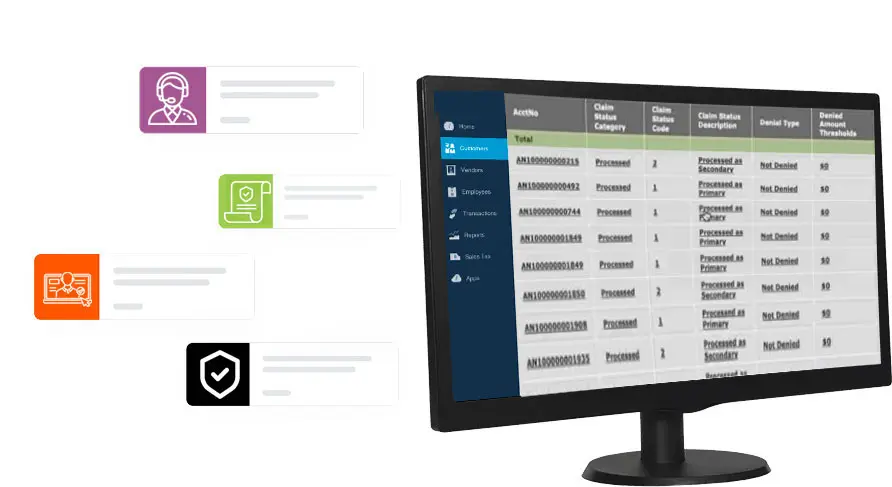
Unified visibility across finance, RCM, and ops dashboards so you can monitor denial trends, cash, and variance in real time and steer proactively.
Faster credibility with the board and operators, visible progress on revenue priorities, and momentum that carries beyond day 90 into durable operating habits.
It provides focus, early wins, and credibility while aligning finance with clinical and operational priorities.
It uses rolling, agile checkpoints to update plans in real time, not a once-a-year static target.
From real CFO transitions, turnaround work, and RCM diagnostics across varied healthcare settings.
Reduced forecasting errors, faster responses to shocks, clearer ownership, and visible revenue momentum.
Yes—the playbook is modular, with templates that scale from clinics to multi-site health systems.
Baseline KPIs, rapid risk triage, governance cadence, denial controls, and a 30/60/90 execution map.