Essential Skills to be Adopted by Future-Proof Healthcare Leaders
As the needs and the demands of healthcare are evolving, healthcare leaders must evolve to meet the growing challenges and opportunities. In the coming years, if you are at the helm, you will need to adopt new skills, embrace innovation, and become more agile to navigate the complexities of modern healthcare, especially to optimize your revenue cycle. This blog will explore essential skills that healthcare leaders must develop to stay ahead of the curve and ensure their organizations remain successful.
1. The Power of Data-Driven Decisions
In an industry where every decision impacts patient outcomes and financial performance, data is king. Artificial intelligence (AI) and data analytics are no longer futuristic tools—they are now critical for optimizing healthcare operations and making informed decisions. The ability to read, interpret, and act upon data-driven insights will be indispensable for you as a healthcare leader while moving forward.
Harness the power of AI to optimize their administrative and financial operations. Concerning revenue cycle management (RCM), patient outcomes, and overall operational efficiency, AI driven revenue operations is playing a key role in simplifying various aspects. This in turn has significantly improved the patient satisfaction rate and has improved the provider’s bottom line. Embrace AI and analytics to guide decisions and ensure your organization stays competitive in an increasingly data-driven healthcare ecosystem.
2. Leading Through Transformation
Change is inevitable in healthcare, whether it’s adopting new technologies or responding to regulatory shifts. You must be skilled in managing change while fostering innovation. Those who can guide their teams through transformative initiatives with minimal disruption will thrive.
The shift toward value-based care, technological advancements, and the digitalization of healthcare demands leaders who are adaptable and forward-thinking. You must not only introduce change but also cultivate a culture that embraces continuous improvement and innovation. Cultivate a mindset of innovation, and be adept at managing change to keep your organization agile and future-ready.
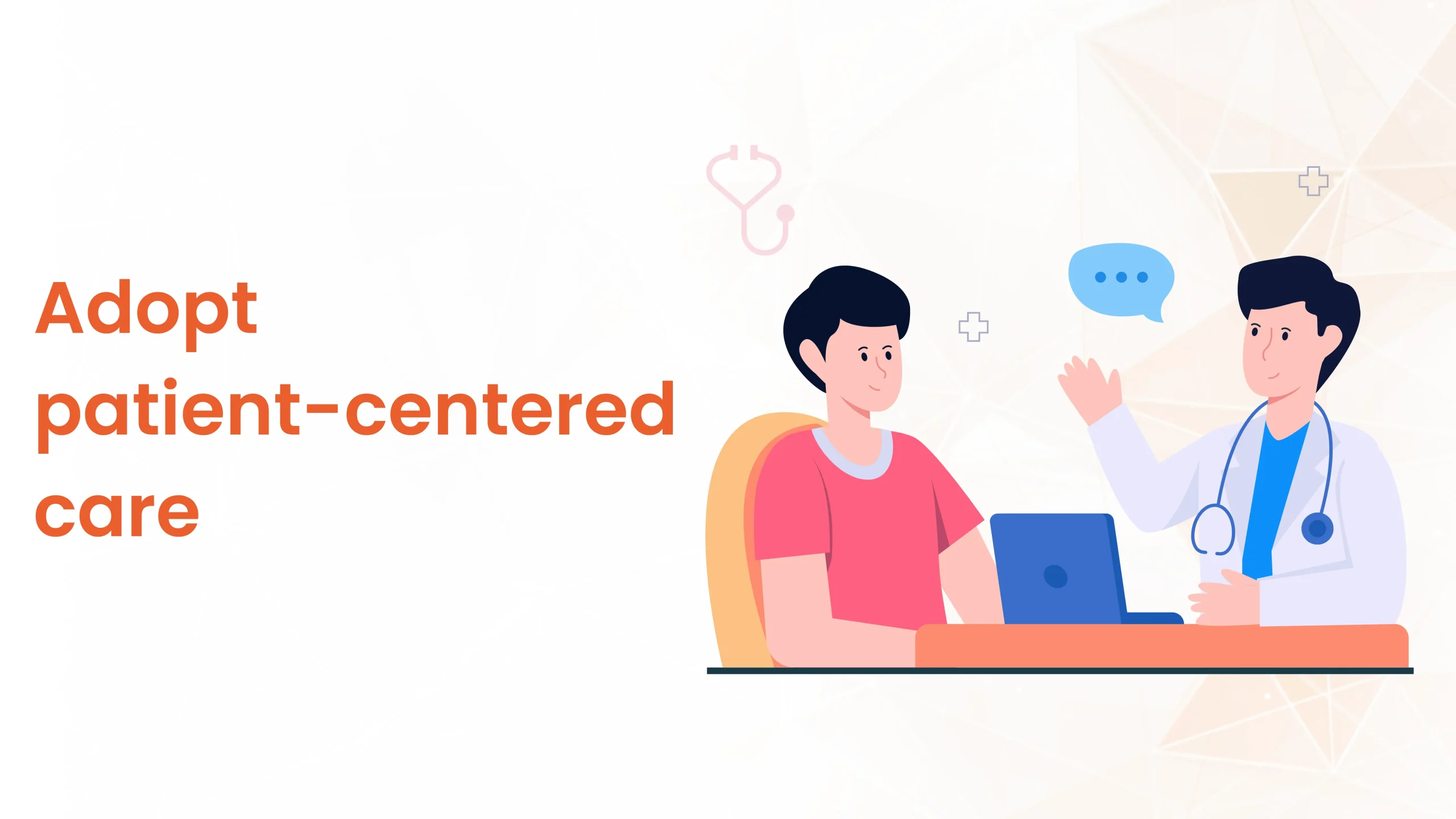
3. A Strategic Approach to Patient-Centered Outcomes
As reimbursement models continue shifting from fee-for-service to value-based care, you as the healthcare leaders must pivot your strategies to align with this transition. Success in the future will rely on a deep understanding of population health management, care coordination, and quality metrics. Studies show that 86% of patients are more likely to stay with a healthcare provider if they receive a personalized and satisfactory experience ( PwC Health Research Institute )
Drive value by focusing on patient outcomes and cost efficiency, ensuring your organizations are equipped to meet the demands of value-based models. By leveraging AI-driven RCM solutions, leaders can streamline their operations and prioritize patient-centered care, reducing administrative burdens while improving care quality. Mastering value-based care strategies to align financial incentives with quality patient outcomes should be focused as the ultimatum.
4. Addressing Disparities in Care
Health equity is a growing priority for healthcare leaders, as disparities in care continue to affect underserved populations. We advocate that healthcare leaders like you must be proactive in addressing these disparities by fostering inclusive environments that reflect the diversity of their communities.
Cultural competency and understanding of social determinants of health are essential for creating equitable access to care. Integrate health equity into your decision-making processes, ensuring that all populations receive the quality care they deserve. So, prioritize health equity initiatives to create inclusive, patient-centered care environments that align with regulatory and societal expectations.
5. Adapting to a Rapidly Changing Industry
In an industry characterized by constant change, healthcare leaders must be flexible and adaptable. You must develop the ability to quickly pivot in response to market pressures, regulatory changes, or evolving patient needs will be critical for success. Flexibility will allow leaders like you to make informed decisions on the fly, whether it’s adjusting to new reimbursement models or responding to technological advancements. Leaders who can remain agile while maintaining strategic direction will position their organizations for long-term success. So develop agility and flexibility to quickly respond to the dynamic healthcare environment and make informed, data-driven decisions.
6. Building a Collaborative Workforce
The healthcare workforce spans multiple generations with different expectations, communication preferences, and values. As a leader, you must impart effective communication strategies that are crucial for engaging this diverse workforce and ensuring seamless collaboration across all age groups.
Develop strong interpersonal skills to foster trust and inclusivity, ensuring every team member feels heard, valued, and motivated. The ability to tailor communication styles to the needs of different generations will improve team performance and cohesion. Focus on strengthening communication skills to build a collaborative, engaged, and multi-generational workforce.

7. Patient and Staff Engagement
Empathy is not just a soft skill—it’s a critical leadership trait that drives patient satisfaction, staff engagement, and organizational culture. It’s often said that leaders who demonstrate empathy create supportive environments that enhance the well-being of both patients and employees. In an increasingly complex healthcare management skills to foster, leaders must prioritize compassionate communication and patient-centered care. You as the leader of your organization should demonstrate empathy, which not only improves care delivery but also helps retain top talent by creating a culture of understanding and support. If you are THE LEADER, lead with empathy to build a compassionate, patient-centered, and engaged healthcare organization.
8. Building Trust Through Open Communication
In healthcare, trust is everything. Leaders who prioritize transparency in their decision-making and communication build stronger relationships with patients, employees, and communities. Open communication fosters accountability, helping organizations navigate challenges with integrity and credibility. If you promote transparency in your actions, whether it’s managing financial performance or addressing patient concerns, you’ll be able to build an environment of trust. Through this, you can improve patient satisfaction, staff morale, and overall organizational performance. Prioritize transparency to build trust and credibility in your healthcare organization.
9. Embracing Cross-Disciplinary Collaboration
Successful healthcare leaders will be those who break away from traditional organizational hierarchies and embrace cross-disciplinary collaboration. By fostering teamwork across different departments and specialties, you can drive innovation and streamline care delivery.73% of healthcare organizations reported improved efficiency in day-to-day administrative tasks after partnering with external vendors ( Becker’s Hospital Review survey )
Recognize the benefits of collaboration, both within their organizations and with external partners. AI and automation solutions will provide you with the tools to optimize collaboration and improve operational efficiency across the care continuum. Embrace collaboration and break down silos to drive innovation and improve care delivery.
10. Partnership-Oriented Leadership
Wielding Healthcare management skills is no longer a solo endeavor. Forge partnerships with competitors, community organizations, and non-healthcare entities to solve complex challenges and improve access to care. By working together, you can create integrated solutions that benefit patients and communities alike.
Forging strategic partnerships allows healthcare leaders to expand their reach, leverage new technologies, and improve patient outcomes. Collaboration with external partners will be key to addressing the evolving needs of the healthcare industry. Focus on partnership-oriented leadership to create innovative, cross-disciplinary solutions that improve patient care and operational efficiency.
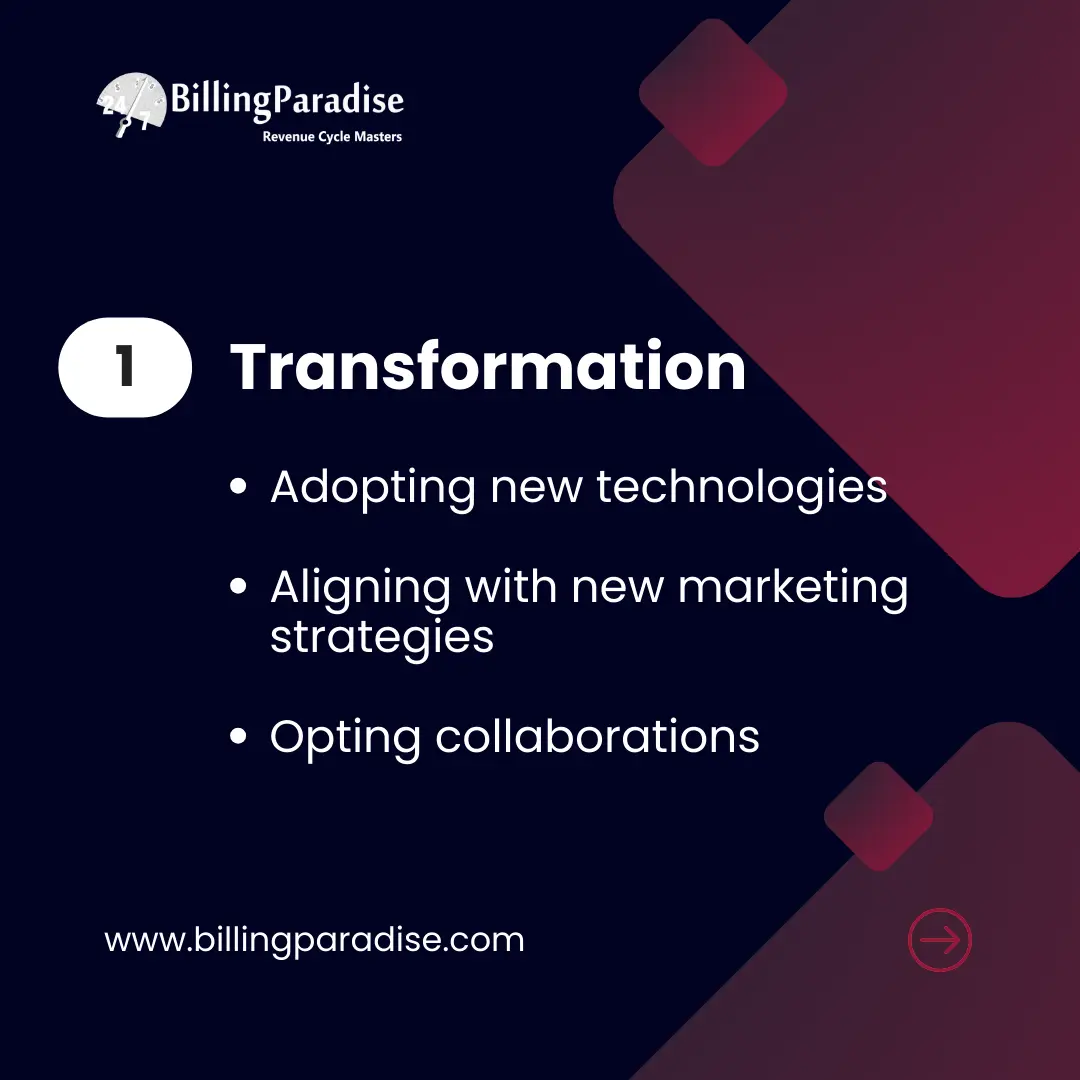
View the detailed post on LinkedIn
Conclusion
The healthcare industry is evolving at a rapid pace, Adopt new skills to stay ahead. From leveraging AI and data analytics to embracing change management and fostering empathy, the future healthcare trends lies in adaptability, collaboration, and innovation.
BillingParadise, with its 20 years of experience in revenue cycle management, AI, and automation, provides healthcare leaders with evidence-based solutions to meet these challenges head-on. By adopting the essential skills discussed in this blog, healthcare leaders can position themselves and their organizations for long-term success.
As a healthcare leader, are you ready to embrace the future healthcare trends? Explore BillingParadise’s AI-driven RCM solutions today to lead your organization to success.