
In the high-stakes world of employment, where decisions impact physician well being daily, prioritizing well-being often takes a back seat to professional obligations. However, as demands on workers continue to rise, the importance of healthcare and wellness cannot be overstated. Recognizing this, three accomplished female healthcare executives—Denise Brooks-Williams, Executive Vice President and COO of Henry Ford Health; Kira Carter-Robertson, University of Michigan Health-Sparrow; and Dr. Wendy Wilcox, CEO NYC Health + Hospitals—have shared their approaches to physician well-being and promote work life balance healthcare. This blog depicts how these three healthcare C-Suite Leaders are helping their team adopt a relaxed workflow which in turn enable their healthcare team to enhance their productivity
Denise Brooks-Williams: Advocating for Planned Time Off Encouraging Physician Well Being
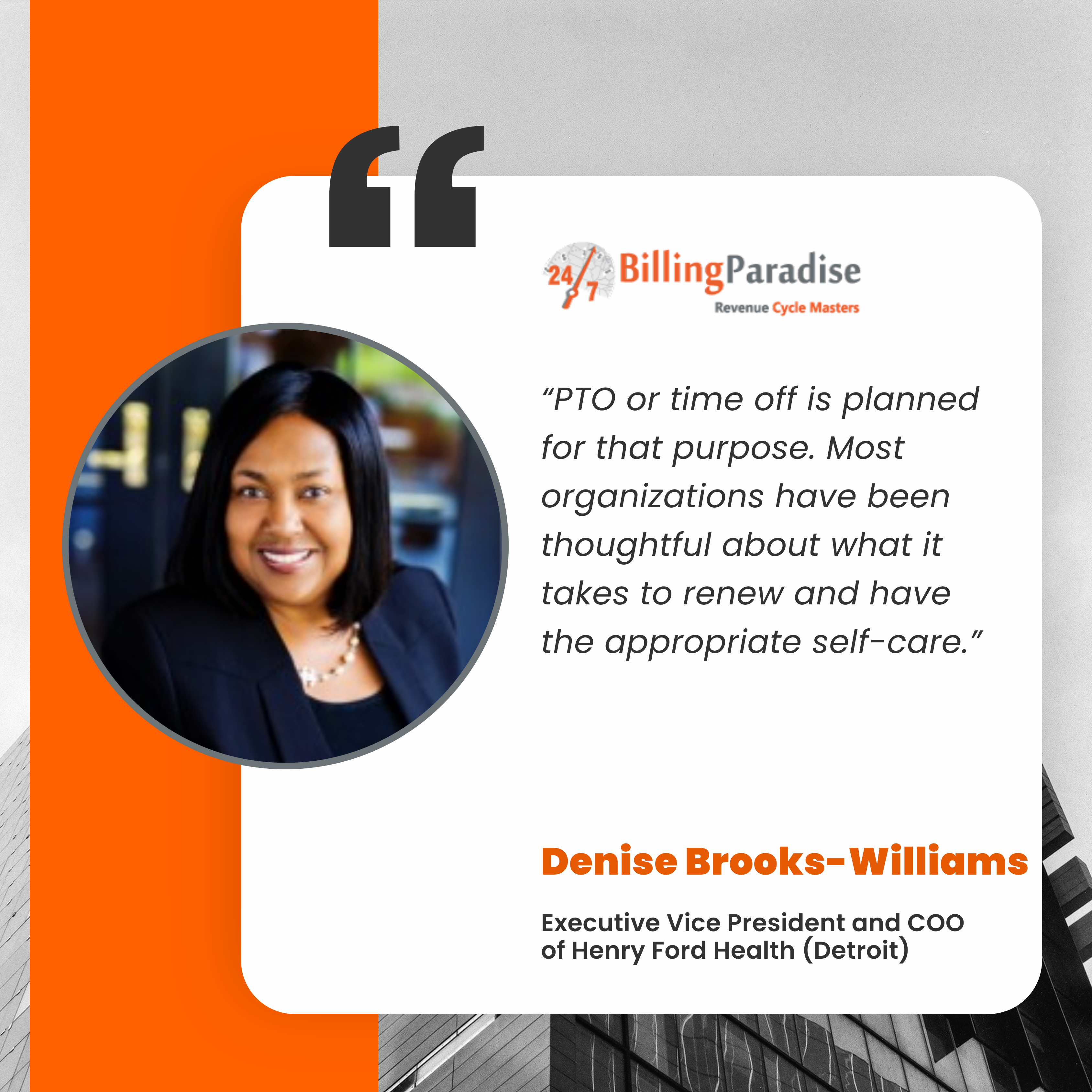
Denise Brooks-Williams underscores the value of taking planned time off (PTO) to recharge physically and emotionally. In her words:
“PTO or time off is planned for that purpose. Most organizations have been thoughtful about what it takes to renew and have the appropriate self-care.”

For Brooks-Williams, PTO isn’t just a perk—it’s a necessity for maintaining one’s energy and focus. She emphasizes that taking time off for travel, family connection, or even simple rest is vital for everyone in the organization, from leadership to frontline staff to have a work life balance healthcare. Encouraging physician well being by making their team to take their allotted time off is part of fostering a workplace culture that values balance.
Organizational Takeaways:
- Establish policies that encourage employees to use their PTO without guilt or fear of falling behind.
- Integrate reminders and campaigns into the workplace to normalize taking breaks and vacations.
- Offer “no-questions-asked” PTO days or wellness days to reduce hesitation about time off.
By creating a supportive environment where time off is celebrated rather than stigmatized, healthcare organizations can combat burnout and improve morale across all levels of staff.
Kira Carter-Robertson reflects on the profound advice she received early in her career from a mentor who shared his personal struggles with balancing career and family, while neglecting healthcare and wellness.
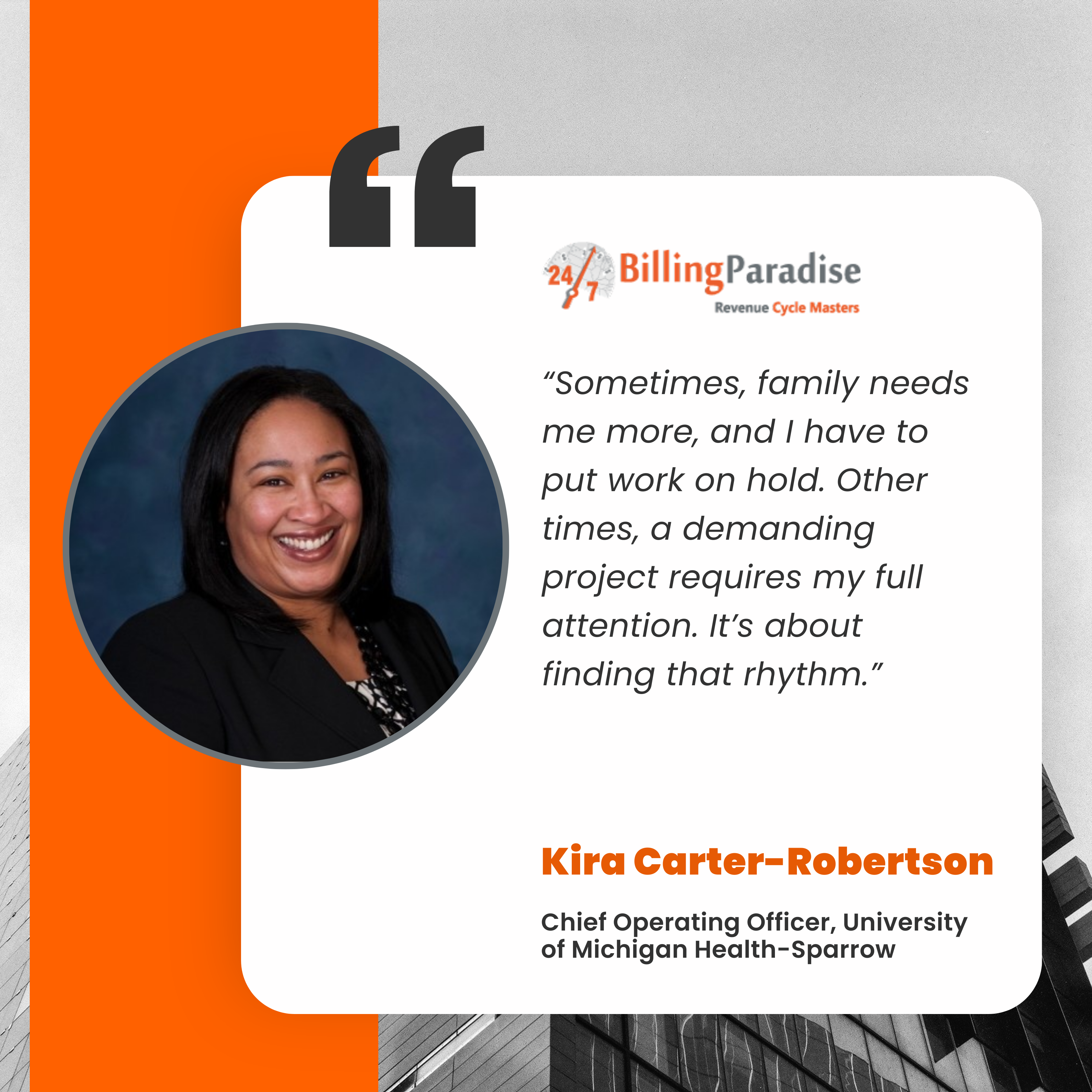
For Carter-Robertson, this was not just about work-life balance but about living a life free of regrets. She emphasizes that achieving balance is less about perfection and more about finding a rhythm:
“Sometimes, family needs me more, and I have to put work on hold. Other times, a demanding project requires my full attention. It’s about finding that rhythm.”

She also highlights the power of small daily habits in sustaining overall well-being:
“Maybe it’s waking up a few minutes early just to have a little bit of quiet time or making sure you grab your gym bag to run to the gym after work. It’s the little daily things we invest in ourselves that help create harmony and well-being overall.”
Organizational Takeaways:
- Develop leadership training that emphasizes the importance of prioritizing physician well being.
- Encourage employees to reflect on their own balance and build habits that prioritize family and self-care.
- Offer resources such as time management workshops to help staff find their rhythm between personal and professional responsibilities.
- By supporting a culture that values reflection, rhythm, and small acts of self-care, organizations can help employees cultivate lives without regrets.
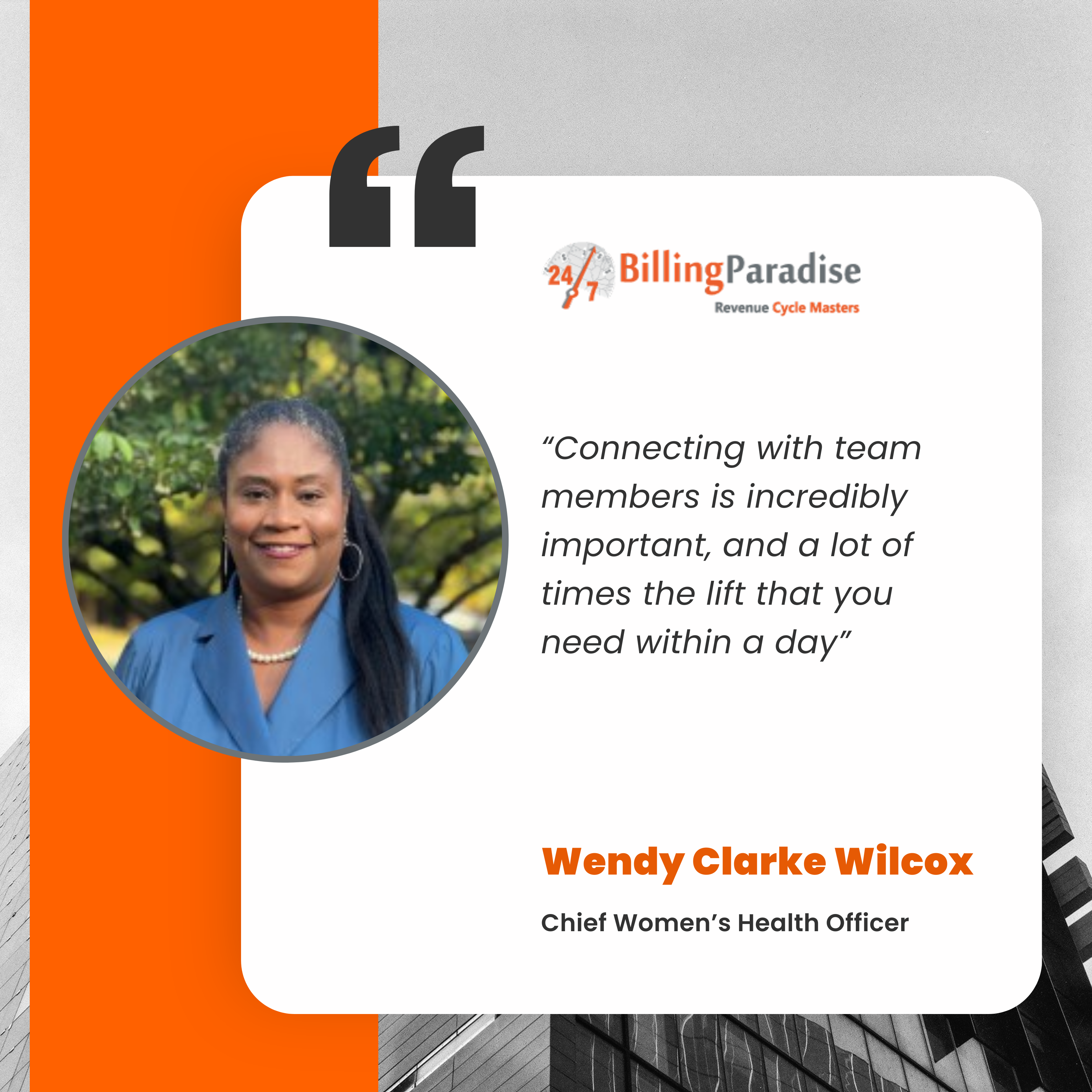
Dr. Wendy Wilcox shares a candid story about learning to recognize her own limits. She describes a moment when she pushed herself too hard, despite feeling unwell. She acknowledges that recognizing fatigue and setting limits wasn’t something she learned early in her career:“I grew up in an era where [recognizing fatigue] was not really the case, so we all are just starting to do better with that.” Dr. Wilcox also finds energy and support in workplace connections, saying:
“Connecting with team members is incredibly important, and a lot of times the lift that you need within a day.”

Organizational Takeaways:
- Train employees and leaders to recognize signs of fatigue and the importance of rest.
- Provide physician well being resources such as biometric tracking tools and health screenings to encourage proactive care.
- Foster a workplace culture that values connection by offering team-building activities and open communication forums.
- By prioritizing rest and connections, for a work life balance healthcare organizations can create environments where employees feel supported in maintaining their healthcare and wellness
The Dimensions of Work Life Balance Healthcare Highlighted by These Leaders
The insights from the C-Suite Healthcare Experts explains the key dimensions of well-being:
- Physician Well Being: Rest and rejuvenation, as advocated by PTO policies, help maintain physical health and energy.
- Emotional Well-Being: Spending time with family, engaging in hobbies, and practicing mindfulness address the emotional toll of healthcare work.
- Work-Life Balance: Flexibility in scheduling enables employees to meet personal and professional demands without overextending themselves.
- Cultural Support: Leading by example and fostering open communication about well-being normalizes self-care within organizational culture.
These dimensions offer a blueprint for healthcare organizations to create environments where employees feel supported and valued.
View the detailed post on LinkedIn
How Healthcare Organizations Can Foster Well-Being
Healthcare organizations play a pivotal role in ensuring their workforce adopt physician well being practices modeled by these leaders. Below are actionable strategies to foster work life balance healthcare
Encourage the Use of PTO
Many employees hesitate to use their PTO, fearing it may reflect poorly on their commitment or lead to heavier workloads upon return. Organizations can:
- Regularly communicate the importance of PTO through leadership messaging and company-wide initiatives.
- Create PTO planning tools to help employees schedule time off in advance.
- Acknowledge and reward teams that promote physician well being practices
Promote Flexible Work Arrangements
Flexibility is essential for achieving work-life balance. Healthcare organizations can:
- Implement self-scheduling systems that allow employees to select shifts based on their preferences.
- Introduce remote work options where feasible, such as for administrative or telehealth roles.
- Pilot compressed workweeks, where employees work longer hours over fewer days.
Provide Comprehensive Wellness Programs
Physician well being programs can address physical, emotional, and mental health needs. Effective programs include:
- Access to mental health resources, including counseling and therapy services.
- On-site fitness facilities or gym membership subsidies.
- Workshops on stress management, financial planning, and nutrition.
Foster a Culture of Support
A supportive culture begins with open communication and shared values. Organizations can:
- Train managers to recognize signs of burnout and provide appropriate support for work life balance healthcare
- Host forums where employees can share their well-being needs and suggestions.
- Celebrate well-being milestones, such as team members completing a wellness challenge.
Invest in Leadership Development
Strong leadership sets the tone for organizational culture. Healthcare organizations should:
- Offer leadership training that emphasizes the importance of physician well being
- Include well-being metrics in performance reviews for leadership roles.
- Create mentorship programs where leaders can guide employees in balancing professional and personal goals.
Conclusion: How BillingParadise Can Support Organizational Well-Being
While healthcare organizations focus on fostering physician well being, administrative burdens can often detract from these efforts. This is where BillingParadise steps in. As a trusted partner in revenue cycle management, BillingParadise offers solutions that streamline billing operations, reduce errors, and improve financial outcomes—freeing up valuable time and resources for healthcare providers.
Key Ways BillingParadise Supports Well-Being Initiatives:
- Reducing Administrative Stress: By automating billing and coding process with products like medical coding automation, BillingParadise minimizes the stress and workload on healthcare staff, allowing them to focus more on patient care and personal well-being.
- Enhancing Financial Stability: Efficient billing systems ensure steady revenue flow, reducing financial uncertainty for organizations and their employees.
- Enabling Time for Self-Care: With fewer manual tasks to handle, healthcare professionals can reclaim time for self-care, aligning with the strategies advocated by leaders like Dr. Wheeler and Dr. Turney.
- Supporting Flexibility: By handling revenue cycle complexities, BillingParadise enables healthcare organizations to offer more flexible scheduling options for their teams.
Healthcare providers are at their best when they feel supported, balanced, and empowered. By partnering with BillingParadise, organizations can create a foundation for well-being, ensuring their workforce thrives in both professional and personal spheres.
As healthcare organizations embrace the wisdom of leaders like Brooks-Williams, Dr. Turney, and Dr. Wheeler, they can transform workplace culture into one that prioritizes well-being—resulting in healthier, more engaged, and more resilient teams.