2026 Expectations from Revenue Cycle Management Companies
As we enter 2026, the healthcare industry continues to be at the forefront of technological evolution. The dynamic world of healthcare technology is not just reshaping patient care but also transforming the operational facets of medical practices. Among these, Revenue Cycle Management (RCM) stands out as a critical area of focus. With the global revenue cycle management market burgeoning, there’s a need to understand what 2026 holds for RCM companies and the benefits of AI in healthcare.

The Growing Market of RCM
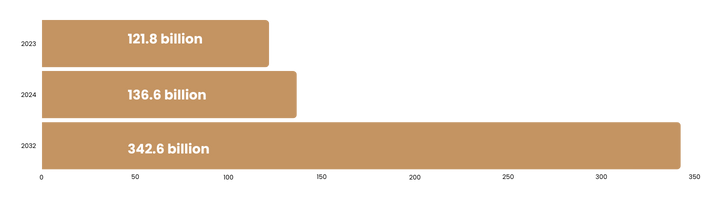
The RCM market, valued at USD 121.8 billion in 2023, will likely grow at a compound annual growth rate (CAGR) of 12.2% from 2025 to 2032. This growth is propelled by the increasing volume of patient data worldwide, with a projected market value of USD 342.6 billion by 2032. These figures underscore the significance of revenue cycle management companies in the evolving healthcare landscape.
AI-Driven RCM Transformation
Denial Management: AI’s role in RCM is becoming increasingly pivotal. In 2026, AI is expected to significantly aid in managing denials. By identifying patterns in denied claims, AI enables healthcare providers to develop effective appeal strategies, thus optimizing the denial management process.
Payment Posting and Patient Engagement: AI is revolutionizing payment posting by automating the process, enhancing accuracy, and reducing staff workload. Furthermore, AI facilitates the creation of tools like chatbots, which improve patient interaction and understanding regarding bills and payments.
Cloud-Based RCM Solutions
Cloud-based RCM solutions are gaining traction due to their scalability, accessibility, and robust security features. They cater to healthcare organizations of varying sizes, including those experiencing rapid growth or seasonal fluctuations in claim volumes.
Interoperability in RCM
Interoperability, the ability of diverse systems to communicate, is vital in RCM for seamless data exchange with insurers and other stakeholders. This interoperability streamlines the RCM process and minimizes errors.
The Role of Data Analytics
Data analytics plays a critical role in RCM by identifying trends, patterns, and outliers to enhance efficiency and effectiveness. This tool helps in pinpointing common reasons for denials and in developing strategies to mitigate them.
Cybersecurity and Data Protection

Implementing Key RCM Strategies
Automated Prior Authorization Workflows: Automation in prior authorization reduces errors and boosts efficiency.
Improved Patient Access: Technological solutions such as telemedicine and self-check-ins enhance patient access and satisfaction.
Reduced Denials and Revenue Loss: Leveraging AI and data analytics helps in identifying the root causes of denials and developing strategies to prevent them.
Strengthened Appeals Processes: RCM companies in 2026 should focus on refining the appeals process to reclaim lost revenue from denials.
Preparing for 2026 RCM Trends
Healthcare providers must prepare for these emerging trends by investing in AI-powered and cloud-based RCM solutions. Ensuring interoperability and investing in data analytics will be crucial for success in 2026.
The Benefits of AI in Healthcare RCM
Artificial Intelligence (AI) is set to redefine the landscape of healthcare RCM in 2026. AI’s integration in revenue cycle management companies will not only streamline processes but also offer predictive insights, leading to more informed decision-making. The benefits of AI in healthcare are manifold, including enhanced accuracy in medical billing, efficient claims processing, and improved patient data management. As AI continues to evolve, its application in generative AI healthcare and AI medical billing is expected to bring about a paradigm shift in how healthcare revenue is managed and optimized.
Advancements in Generative AI Healthcare
Generative AI healthcare is another trend that is gaining momentum. This technology’s capacity to generate new data interpretations can lead to groundbreaking developments in patient care and RCM processes. Generative AI can potentially predict patient payment behaviors, optimize billing cycles, and even assist in developing personalized patient engagement strategies. The adoption of generative AI in healthcare RCM is a testament to the industry’s commitment to innovation and efficiency.
AI for Healthcare – Beyond Billing
While AI’s role in medical billing is significant, its applications in healthcare go beyond just financial transactions. AI for healthcare encompasses a broad spectrum of services including patient diagnosis support, treatment planning, and even managing patient records. The integration of AI in these areas complements the functions of RCM, ensuring a holistic approach to patient care and management.
Optimizing Patient Scheduling and Insurance Eligibility
Optimizing patient scheduling and ensuring insurance eligibility are crucial components of effective RCM. In 2026, RCM companies will leverage AI to refine these processes, ensuring a smoother patient experience and more efficient billing cycles. Automated scheduling systems and real-time insurance eligibility checks will minimize delays and reduce the incidence of claim rejections due to eligibility issues.
Emerging Solutions for Revenue Loss and Denial Management
Revenue loss and denial management remain significant challenges for healthcare providers. In 2026, RCM companies are expected to employ advanced data analytics and AI-driven tools to tackle these issues head-on. By identifying patterns and root causes of denials, RCM solutions can proactively address these problems, thereby reducing revenue leakage and improving the financial health of healthcare organizations.
The Importance of Patient-Centric RCM
A patient-centric approach in RCM is becoming increasingly important. In 2026, this will involve offering multiple payment options, transparent billing practices, and improved patient communication. The focus will be on enhancing the patient’s financial experience, which is critical in retaining patients and maintaining a positive reputation.
Conclusion
As we approach 2026, it’s clear that revenue cycle management companies are poised to play a pivotal role in transforming the healthcare industry. With the integration of AI, cloud-based solutions, and a focus on interoperability and data analytics, these companies are well-equipped to handle the complexities of modern healthcare finance. AI in healthcare is transforming how providers manage finances and engage patients. Advancements in generative AI further enhance care delivery and operational efficiency. As we embrace these trends, the potential for improved patient outcomes and operational efficiencies in healthcare is immense.
Frequently Asked Questions
In 2026, RCM continues to play a pivotal role in optimizing financial operations for healthcare providers, reducing revenue loss, and enhancing patient experiences through advanced technologies like AI and cloud-based solutions.
The global RCM market was valued at USD 121.8 billion in 2023 and is expected to grow at a CAGR of 12.2%, reaching USD 342.6 billion by 2032.
Generative AI can interpret data patterns, predict payment behaviors, and create personalized patient engagement strategies, enhancing efficiency and patient satisfaction in RCM.
AI identifies patterns in denied claims, assists in developing appeal strategies, and reduces denial rates, leading to optimized revenue cycles.