
In today’s rapidly evolving healthcare landscape, financial stability remains a top priority for healthcare CFOs. When revenue is in crisis, healthcare CFOs must act swiftly to prevent financial losses, maintain operations, and continue delivering quality patient care. A structured approach to revenue cycle management (RCM) is crucial for overcoming challenges and ensuring long-term sustainability. The global revenue cycle management market size was estimated at USD 306.8 billion in 2023 and is projected to grow at a CAGR of 11.39% from 2024 to 2030 ( Grand View Research ). One should adopt robust revenue cycle management services from consultants who not only serve as their vendors but also take the responsibility and guide the organization to success. Here are key steps healthcare CFOs should take to navigate a healthcare revenue crisis effectively.
1. Healthcare CFOS Should Identify the Root Cause of Revenue Decline
Before taking corrective action, it is essential to pinpoint the exact reasons for revenue decline. Common factors include:
- High claim denials and rejections
- Delays in prior authorization processes
- Inaccurate patient data leading to billing errors
- Inefficiencies in collections and reimbursement processes
- Regulatory changes impacting reimbursement rates
Conducting a thorough financial analysis using key performance indicators (KPIs) will help healthcare CFOs gain clarity on the core issues affecting healthcare revenue crisis situations. Evaluating historical revenue trends and benchmarking against industry standards can further aid in identifying areas for improvement.
2. Strengthen Revenue Cycle Processes
Optimizing revenue cycle processes is a fundamental step in crisis recovery. Focus on:
- Enhancing front-end processes: Ensure accurate patient registration, eligibility verification, and coding compliance to minimize claim denials.
- Streamlining charge capture: Implement automation tools to reduce errors and ensure proper documentation for maximum reimbursement.
- Improving denial management: Conduct root cause analysis on denials and implement corrective measures to prevent recurring issues, with denial management AI
Additionally, ensuring timely submission of claims and effective follow-up on unpaid claims is critical to maintaining steady cash flow. By taking these steps, healthcare CFOs can mitigate losses and create a more stable revenue cycle process.

3. Leverage Technology and Automation
Manual processes are prone to errors and inefficiencies, making automation a game-changer for revenue cycle management. Consider implementing:
- AI-powered coding and billing solutions to improve accuracy and reduce rework.
- Automated prior authorization tools to speed up approvals and reduce patient wait times.
- Predictive analytics to identify financial risks early and implement preventive strategies.
Technology adoption can be a major advantage in addressing a healthcare revenue crisis, allowing healthcare CFOs to drive efficiency and improve cash flow. AI-driven automation can also help in real-time monitoring of revenue cycle trends and identifying potential revenue leakages.
4. Optimize Staffing and Productivity
A well-functioning revenue cycle team plays a critical role in financial stability. Healthcare CFOs should assess:
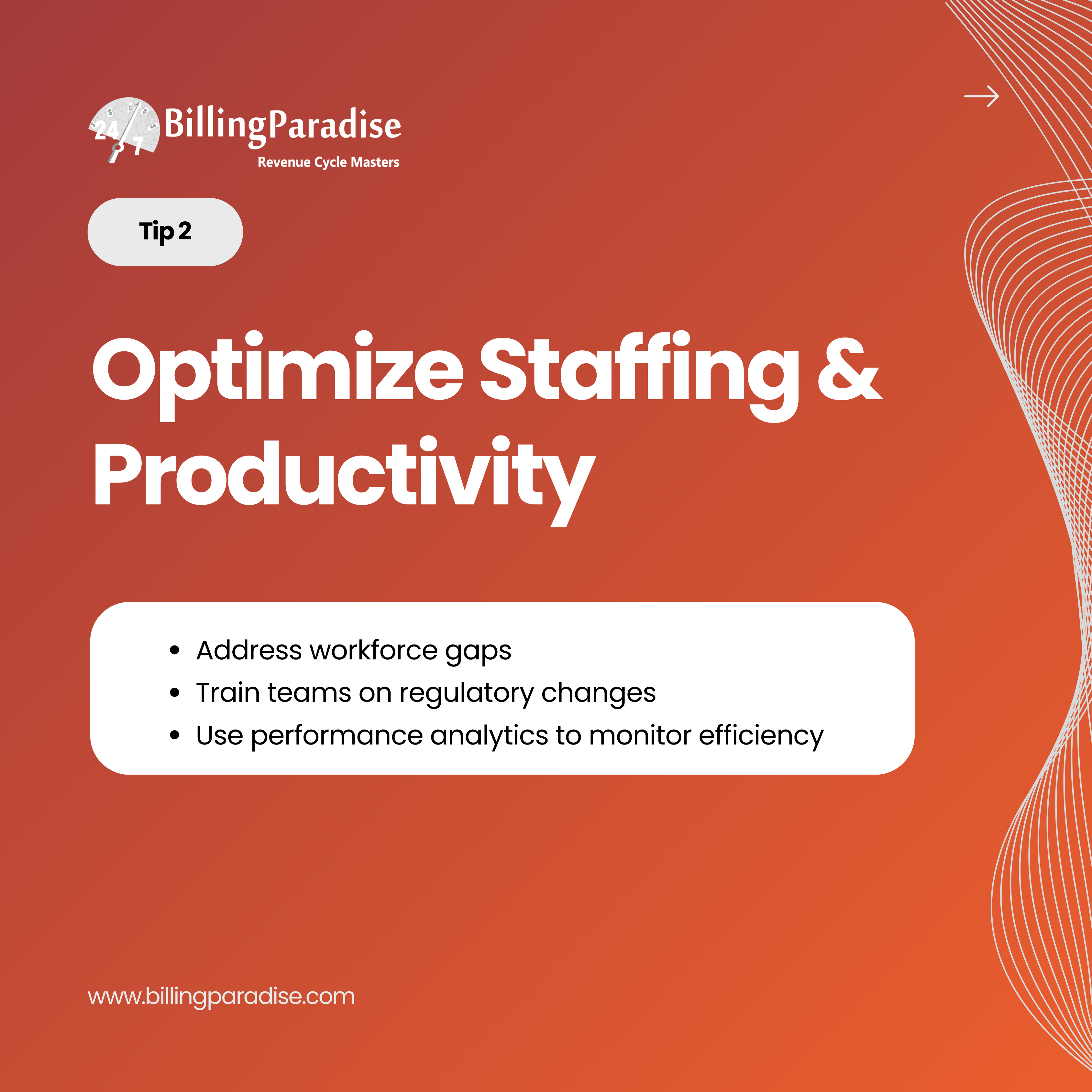
- Staffing shortages and skill gaps: Outsourcing revenue cycle functions or leveraging temporary staffing solutions can help address workforce challenges.
- Employee training programs: Ensure billing and coding teams stay updated on regulatory changes and best practices.
- Performance monitoring: Utilize dashboards and analytics to track productivity and efficiency.
By optimizing staffing, healthcare CFOs can strengthen financial operations and prevent bottlenecks that contribute to a healthcare revenue crisis. Additionally, cross-training revenue cycle teams can help improve adaptability during peak financial crises.
5. Strengthen Payer Negotiations
Payer contracts significantly impact revenue. Healthcare CFOs should:
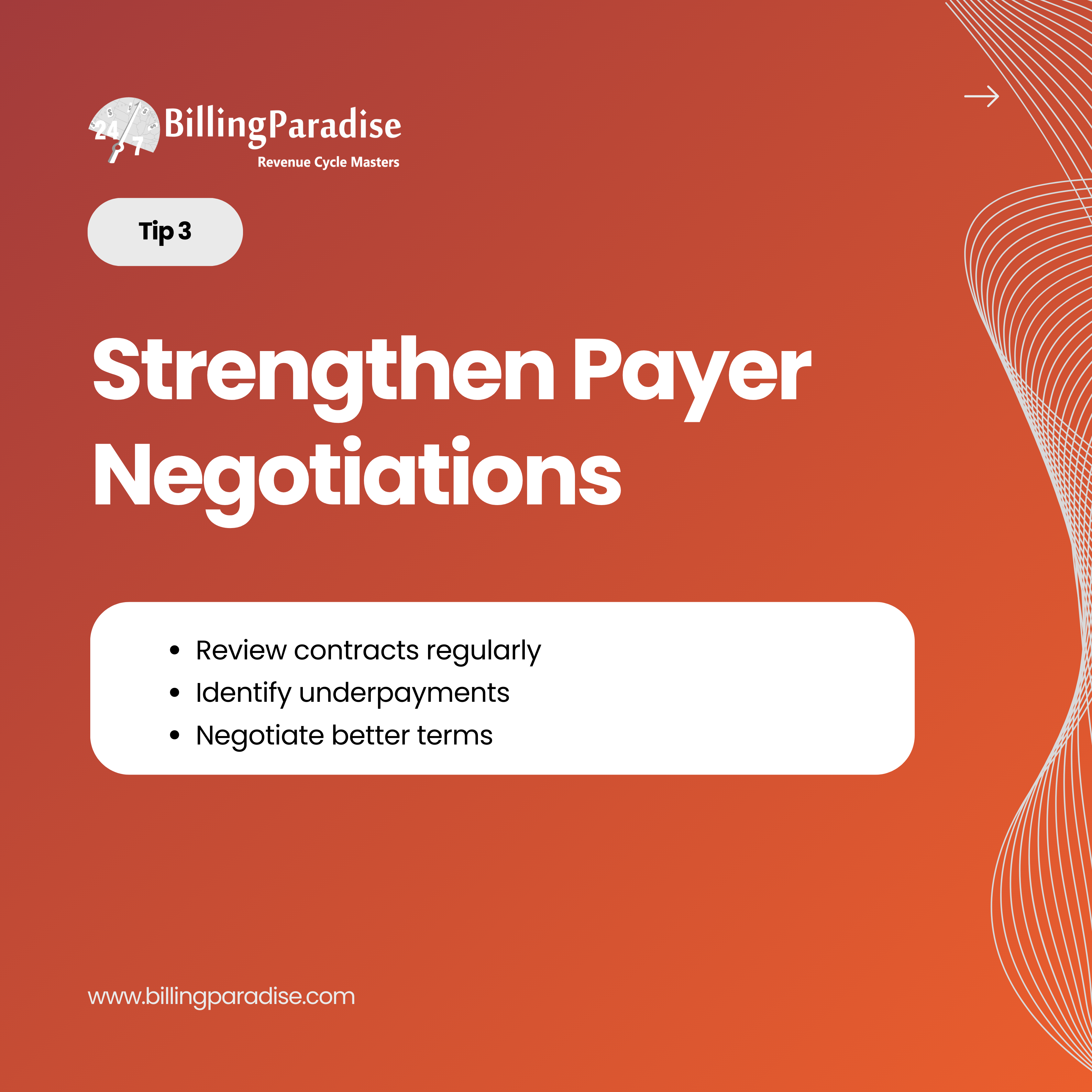
- Regularly review payer contracts to ensure fair reimbursement rates.
- Identify underpayments and discrepancies using analytics tools.
- Negotiate better contract terms to align with the organization’s financial goals.
A proactive approach to payer negotiations will improve financial stability and give healthcare CFOs greater control over revenue management. Reviewing denial trends associated with specific payers can also provide valuable insights for contract renegotiation.


6. Enhance Patient Payment Collection Strategies
With the rise of high-deductible health plans, patient payments are a crucial revenue source. Improving patient collection efforts involves:
- Providing upfront cost estimates to improve transparency and prevent payment disputes.
- Offering flexible payment plans to accommodate patients with financial constraints.
- Utilizing digital payment solutions for faster and more convenient transactions.
Implementing a patient-friendly billing system with clear communication about financial obligations can significantly improve collection rates. By addressing patient collections, healthcare CFOs can reduce bad debt and ensure a healthier financial outlook, especially in times of a healthcare revenue crisis.
7. Monitor Compliance and Regulatory Changes
Changes in Medicare and Medicaid regulations can significantly impact market access. For example, expanded coverage under these programs can open up new patient demographics for healthcare providers, affecting potential revenue sources ( JAKE-JORGOVAN ). Regulatory compliance is essential to avoid penalties and reimbursement setbacks. Healthcare CFOs should:
- Stay informed about changes in CMS regulations, payer policies, and billing guidelines.
- Implement compliance audits to detect potential risks.
- Train staff regularly on evolving healthcare regulations.
Failure to comply with regulatory updates can exacerbate a healthcare revenue crisis, making proactive compliance monitoring a necessity for healthcare CFOs. Investing in compliance automation tools can help in real-time tracking of regulatory changes and reduce non-compliance risks.
8. Implement Cost-Reduction Strategies Without Compromising Care Quality
Reducing operational costs without negatively impacting patient care is a critical strategy during a healthcare revenue crisis. Healthcare CFOs should:
- Evaluate vendor contracts to identify cost-saving opportunities.
- Reduce administrative waste by streamlining workflows and eliminating redundant processes.
- Adopt value-based care models to enhance cost efficiency and improve patient outcomes.
Strategic cost-reduction measures, when executed correctly, can improve financial performance while maintaining high-quality patient care.
9. Seek Expertise from Revenue Cycle Management Consultants

Navigating a healthcare revenue crisis requires specialized knowledge and experience. Partnering with revenue cycle management consultants can help healthcare CFOs:
- Conduct a detailed financial health assessment.
- Implement customized solutions to address revenue challenges.
- Optimize operational efficiencies using data-driven strategies.
Consultants can also provide insights into industry best practices, allowing healthcare CFOs to make informed decisions that drive revenue recovery and long-term stability.
How BillingParadise Can Help
BillingParadise is a 20-year-old revenue cycle and healthcare AI and automation company specializing in comprehensive RCM services. We provide:
- Complete revenue cycle management solutions
- Staff support for revenue cycle operations
- AI and automation-driven RCM solutions
Our evidence-based approach helps healthcare CFOs resolve financial challenges efficiently. By leveraging technology, analytics, and expert consultation, we assist healthcare CFOs in stabilizing revenue and achieving long-term financial sustainability. Our tailored strategies ensure that healthcare CFOs can optimize revenue cycles while maintaining compliance and operational efficiency.
Conclusion
Healthcare CFOs must take decisive action when facing a healthcare revenue crisis. By identifying key issues, optimizing revenue cycle processes, leveraging technology, implementing cost-saving strategies, and seeking expert guidance, organizations can overcome financial challenges and ensure stability. Partnering with an experienced revenue cycle management consultant like BillingParadise can provide the strategic support needed to navigate complex financial landscapes successfully. Taking proactive steps today will ensure a financially secure and sustainable future for healthcare organizations.