


In the field of Applied Behavior Analysis (ABA), ensuring timely revenue collection is crucial for maintaining smooth operations and delivering quality care. Yet, many ABA practices face challenges in reducing days in accounts receivable (AR), which can strain cash flow and hinder growth. Pharma and medical products/supplies companies have longer cash conversion cycles (85 days) (highradius) This is where operational analytics becomes a game-changer. By leveraging data-driven insights, ABA practices can streamline their revenue cycle processes and significantly reduce AR days.
This blog will explore how operational analytics can help ABA practices tackle this challenge effectively, and how revenue cycle management (RCM) consultants implement these tools to deliver measurable results with RCM Automation
What Are Operational Analytics in Healthcare?

Operational analytics involves the collection, analysis, and interpretation of data to improve day-to-day business operations. In revenue cycle management, it focuses on identifying bottlenecks, measuring key performance indicators (KPIs), and implementing strategies to optimize financial performance.
For ABA practices, operational analytics provides actionable insights into:
- Patient billing trends: Understanding how and when payments are made.
- Denial management: Identifying the root causes of denied claims.
- Claims processing times: Highlighting delays in submission or payer response.
- Staff productivity: Analyzing the efficiency of billing and follow-up teams.
By tracking and acting on these metrics, ABA practices can improve cash flow, reduce AR days, and enhance overall financial health in ABA Therapy Practice Management
Why Reducing Days in Accounts Receivable Matters
Days in accounts receivable are the average number of days it takes to collect payments. It is a critical metric for any healthcare practice. High AR days often indicate inefficiencies in billing processes or issues with payer contracts. For ABA practices, these inefficiencies can lead to:
- Delayed cash flow: Affecting the ability to meet operational expenses.
- Increased write-offs: As claims age, the likelihood of collection decreases.
- Higher administrative costs: More resources are needed for follow-ups and appeals.
- Patient dissatisfaction: Poor billing experiences can lead to frustration and attrition
Reducing AR days ensures that ABA practices have the financial stability to focus on their core mission: delivering high-quality care and implementing operational analytics in healthcare to improve operations
Key Metrics to Monitor Through Operational Analytics
To reduce AR days effectively, ABA practices should monitor the following key metrics:
1. First Pass Resolution Rate (FPRR)
This metric tracks the percentage of claims paid on the first submission. A low FPRR indicates issues with claim accuracy or payer compliance.
2. Denial Rate
Denial rate measures the percentage of claims rejected by payers. High denial rates often stem from coding errors, incomplete documentation, or eligibility issues. Addressing these root causes can drastically reduce AR days.
3. Aging Buckets
Aging buckets categorize outstanding payments based on how long they have been overdue (e.g., 0-30 days, 31-60 days, etc.). Monitoring these buckets helps prioritize follow-up efforts and avoid revenue loss from aged claims.
4. Clean Claim Rate
This metric measures the percentage of claims submitted without errors. A high clean claim rate reduces delays and ensures faster payments by avoiding rejections or resubmissions.
5. Average Days to Collect
This KPI tracks the time from claim submission to payment receipt, offering a clear picture of overall efficiency. Lowering this metric directly correlates to reduced AR days.
By focusing on these metrics, ABA practices can pinpoint problem areas with the help of operational analytics in healthcare and implement targeted solutions for ABA Therapy Practice Management
How Revenue Cycle Management Consultants Implement Operational Analytics In Healthcare
RCM consultants play a vital role in helping ABA practices leverage operational analytics. The aim for ABA practices is to keep your days in AR below 50, although 30 to 40 days is the most ideal ( Central Reach ) Here’s how:
1. Data Integration and Automation
RCM consultants integrate data from various systems, including electronic health records (EHRs), practice management software, and billing platforms. Automation tools are deployed to streamline claim submissions, eligibility verification, and payment posting. By automating repetitive tasks, practices can focus their resources on resolving complex issues.
2. Customized Dashboards
Consultants create user-friendly dashboards that display real-time data on key metrics. These dashboards enable practice managers to track performance at a glance and make informed decisions based on current trends.
3. Root Cause Analysis
Using advanced analytics, consultants identify recurring issues, such as frequent denials or delays in claim processing. They then recommend process improvements to address these challenges, ensuring sustainable results.
4. Staff Training and Support
RCM consultants provide training to billing teams on best practices for claims submission, denial management, and follow-ups. This ensures that staff are equipped to handle complex billing scenarios effectively and consistently.
5. Predictive Analytics
Predictive analytics tools forecast potential cash flow issues and identify trends that may affect revenue. This proactive approach allows ABA practices to address problems before they escalate, minimizing disruptions to operations.
6. Benchmarking
RCM consultants benchmark performance metrics against industry standards to help ABA practices gauge their efficiency. This comparison provides a clear roadmap for improvement and ensures that practices remain competitive in ABA Therapy Practice Management
Steps to Implement Operational Analytics in ABA Practices
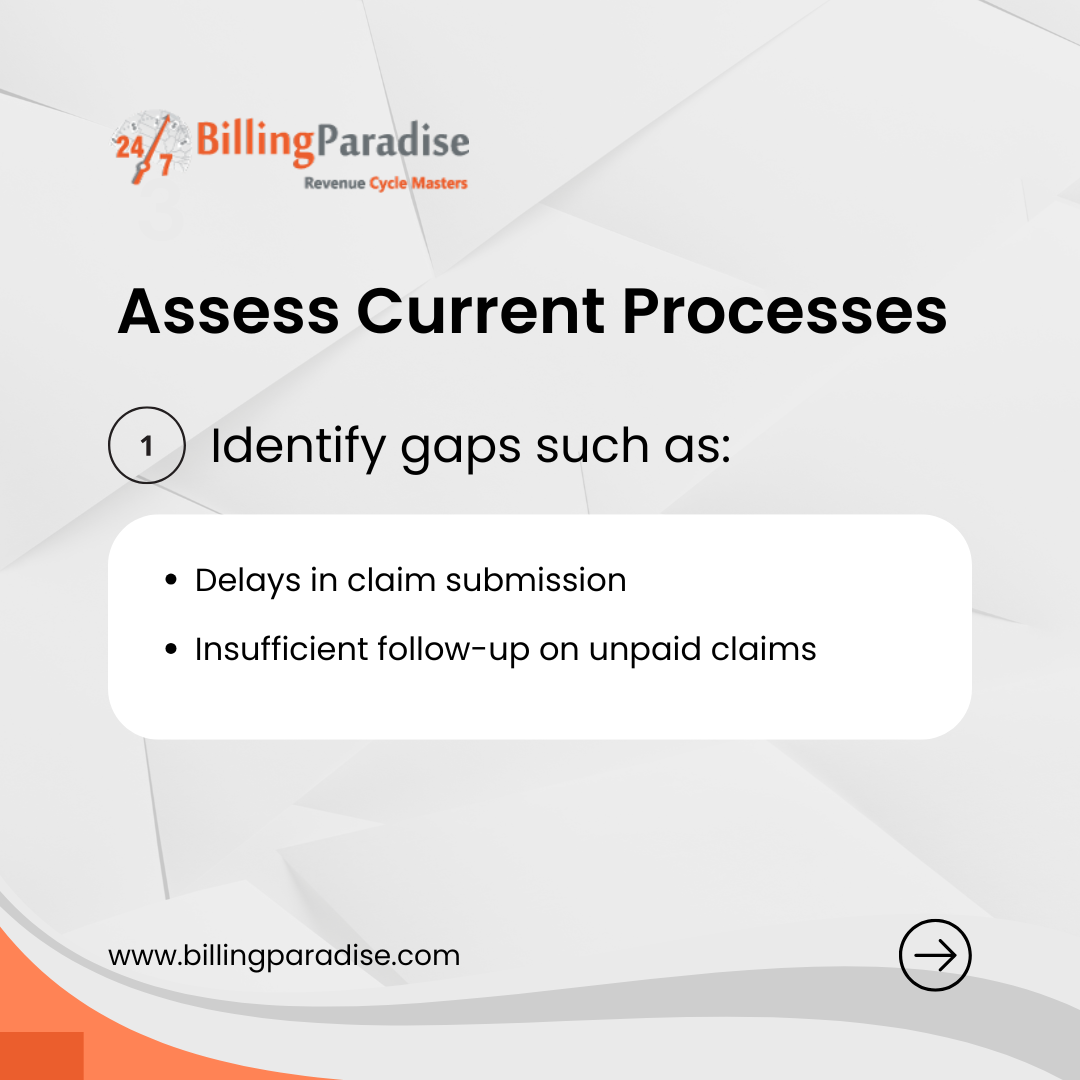
1. Assess Current Processes
Start by conducting a comprehensive review of your revenue cycle operations. Identify gaps in workflows, such as delays in claim submission or insufficient follow-up on unpaid claims. This initial assessment provides a baseline for measuring progress.
2. Define KPIs
Select the key performance indicators that align with your practice’s goals. Ensure these KPIs are measurable, actionable, and relevant to reducing AR days with account receivable AI. Common KPIs include denial rates, clean claim rates, and FPRR.
3. Invest in Technology
Adopt technology solutions that support operational analytics. This may include advanced billing software, data visualization tools, and automation platforms. These tools enable ABA practices to streamline workflows and reduce manual errors.
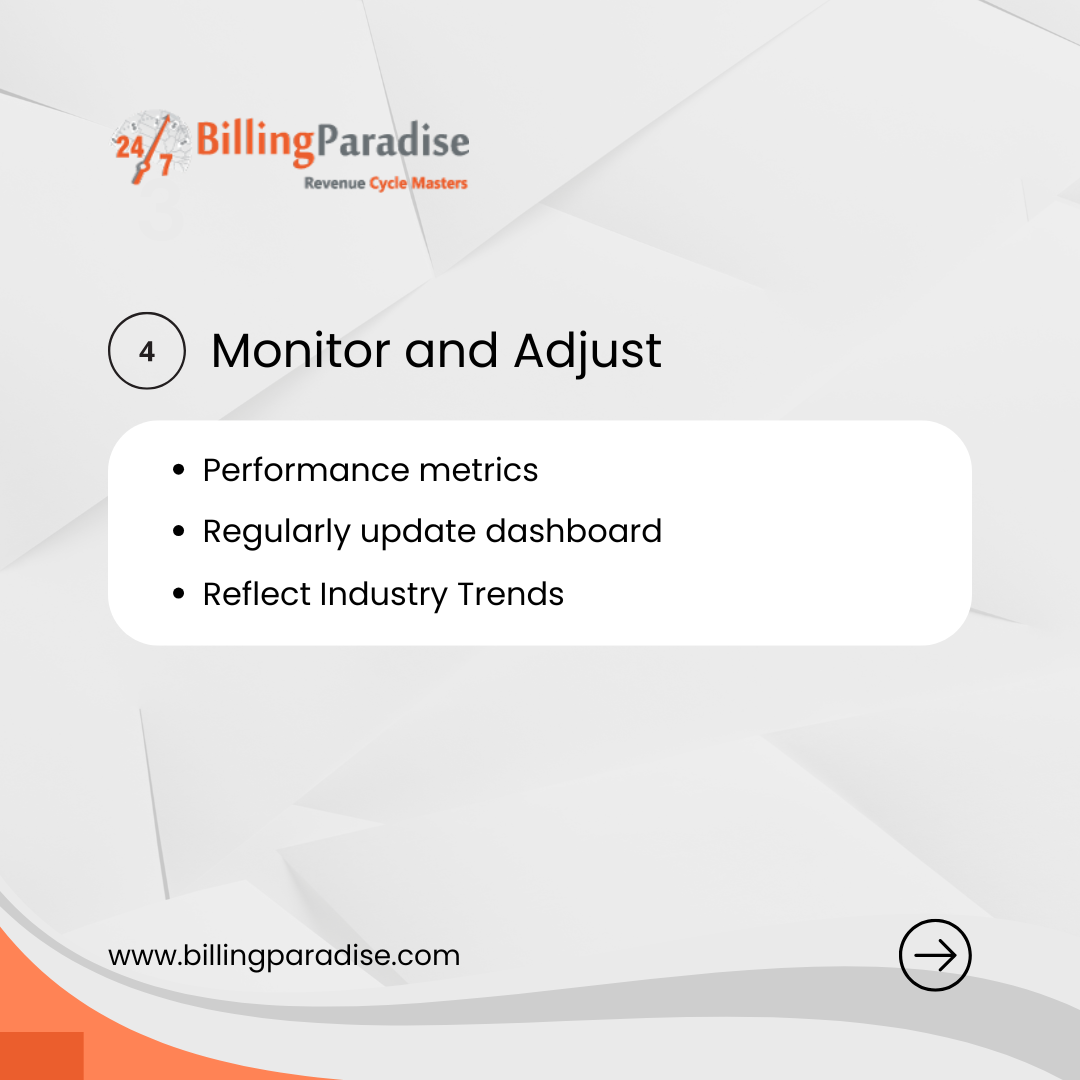
4. Monitor and Adjust
Continuously monitor performance metrics and adjust strategies as needed. Regularly update dashboards to reflect changing priorities and industry trends. Implementing a feedback loop ensures that your strategies remain effective over time.
5. Partner with Experts
Collaborate with an experienced RCM consultant to implement and optimize your operational analytics framework. Consultants bring specialized knowledge and tools that can accelerate your progress, saving time and resources for ABA Therapy Practice Management
Challenges in Implementing Operational Analytics
While the benefits of operational analytics in healthcare are significant, ABA practices may face challenges during implementation. Common obstacles include:
- Data Silos: Disconnected systems can make it difficult to gather and analyze data comprehensively.
- Resistance to Change: Staff may be hesitant to adopt new technologies or processes.
- Limited Resources: Smaller practices may lack the budget or expertise to implement advanced analytics tools.
- Complex Regulations: Navigating payer requirements and compliance standards can be time-consuming and complicated.
Overcoming these challenges requires a strategic approach, including investing in training, choosing scalable solutions, and seeking guidance from experienced consultants.
Real-World Benefits of Operational Analytics
ABA practices that embrace operational analytics often experience:
- Faster Payments: Reduced AR days lead to quicker cash flow, ensuring financial stability and the ability to invest in growth.
- Fewer Denials: By addressing root causes, practices can significantly lower denial rates, improving overall revenue collection.
- Improved Productivity: Automation and streamlined workflows free up staff to focus on high-priority tasks, such as patient care.
- Enhanced Patient Satisfaction: Transparent and efficient billing processes improve the patient experience, fostering trust and retention.
- Data-Driven Decision Making: With access to real-time insights, practice managers can make informed decisions that drive long-term success.



BillingParadise: Your Partner in Operational Excellence
When it comes to reducing AR days and optimizing revenue cycle performance, partnering with the right RCM consultant makes all the difference. BillingParadise is a 20-year-old revenue cycle and healthcare AI and automation company. We provide complete revenue cycle management services, staff support for revenue cycle operations, and RCM AI and automation solutions.
BillingParadise delivers evidence-based solutions tailored to the unique needs of ABA practices. By leveraging operational analytics, we help healthcare leaders resolve their revenue cycle challenges, improve cash flow, and enhance overall financial health.
Let’s work together to unlock the full potential of your practice through data-driven strategies. Contact BillingParadise today to learn how we can help you achieve measurable results.





, ensuring timely revenue collection is crucial for&source=https://www.billingparadise.com/blog/wp-content/uploads/2025/01/BP-BLOG-FM.png)

