Patient experience initiatives have emerged as a critical component of operational strategy. These initiatives are no longer just about improving patient satisfaction; they have a direct and measurable impact on financial performance. 74% of the millennials are likely to switch providers due to their payment experience compared to the baby bloomers ( Cedar Sinai ). By enhancing patient experience, healthcare organizations can improve revenue, reduce costs, and optimize efficiency. The link between patient experience initiatives like patient appointment scheduling and healthcare revenue cycle management is undeniable, as improved patient satisfaction leads to better financial outcomes. In this article, we explore how investing in patient experience initiatives yields significant financial benefits for healthcare organizations.
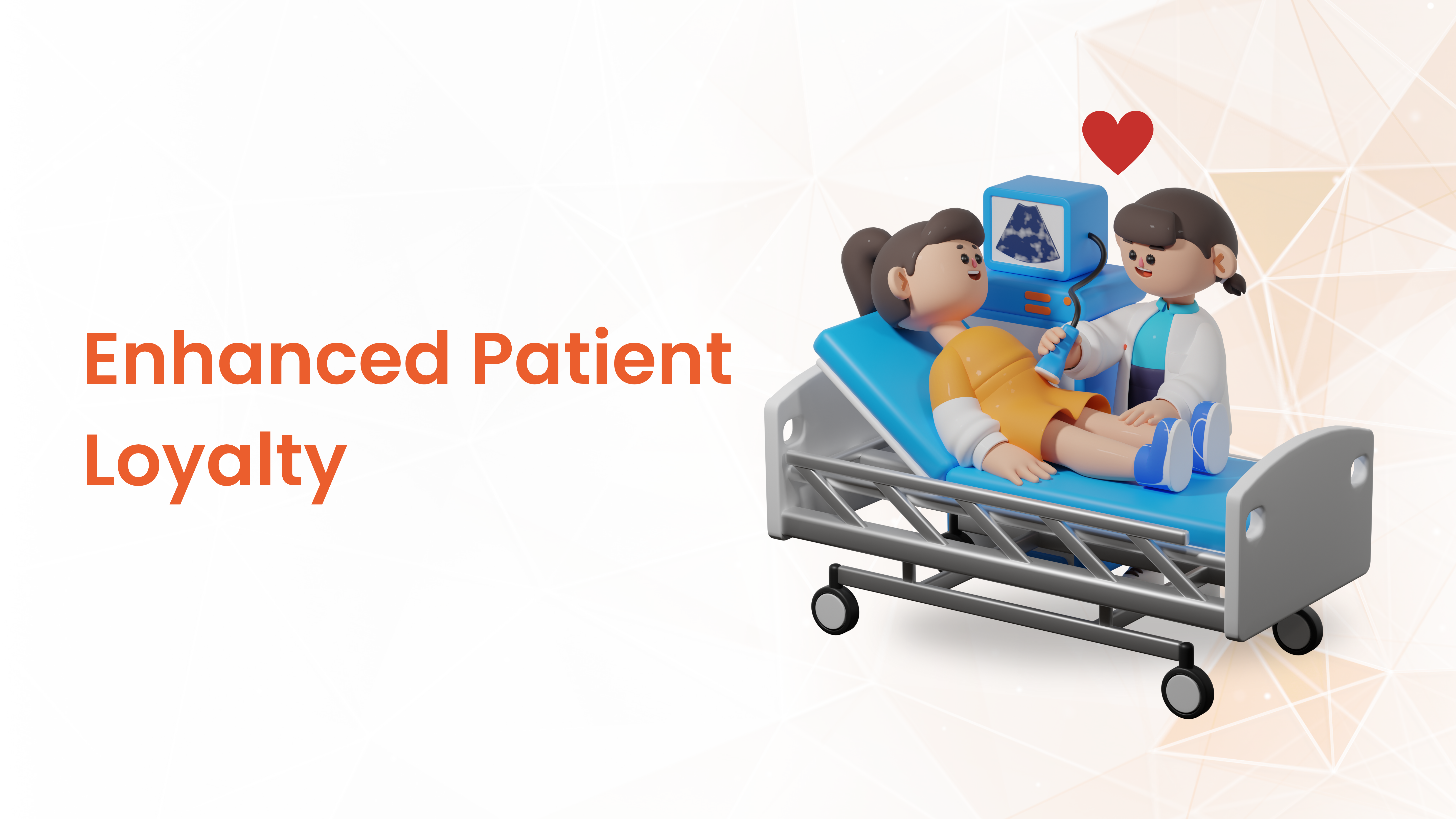
1. Enhanced Patient Retention and Loyalty
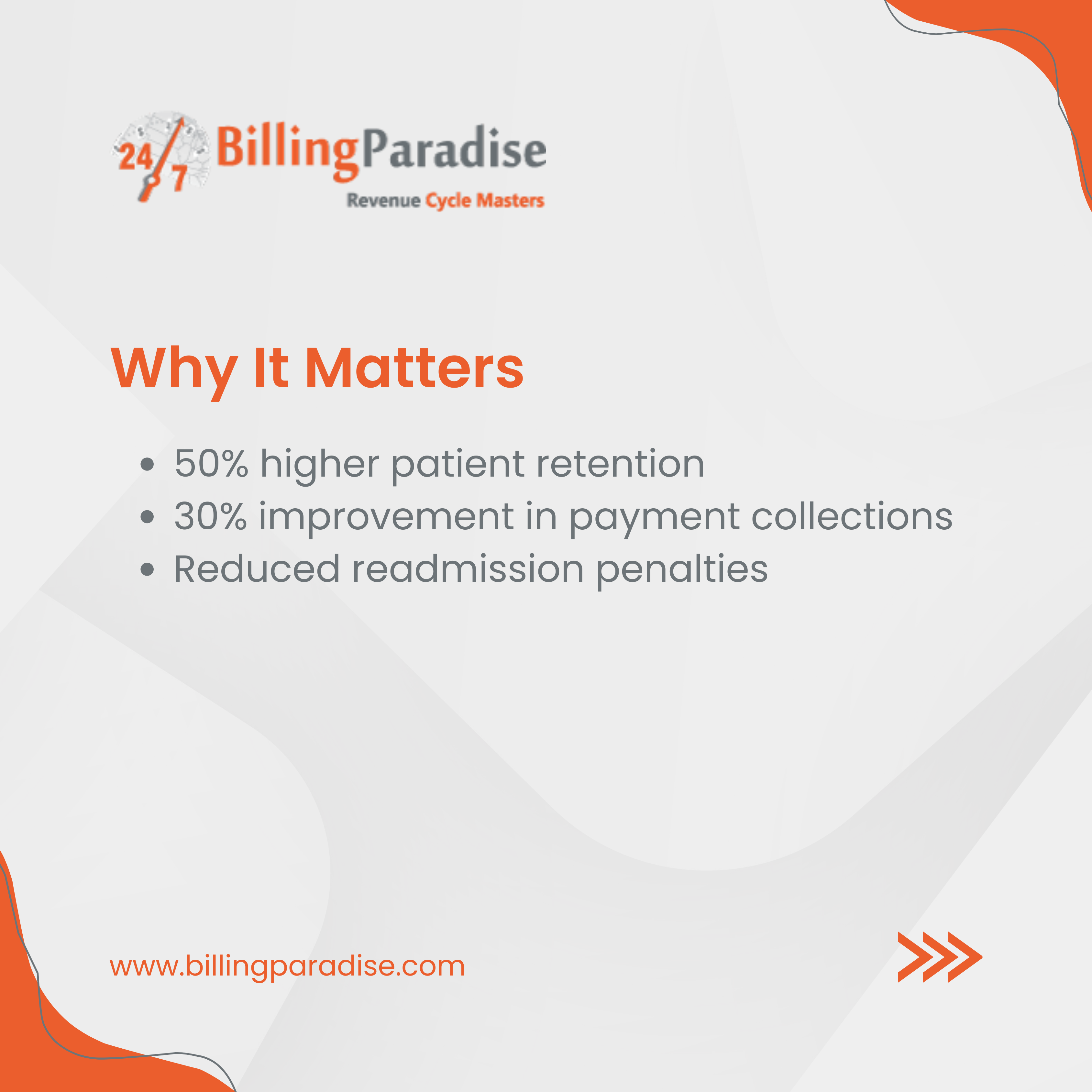
Patients who have positive experiences with healthcare providers are more likely to return for future services and recommend the facility to others. According to a Press Ganey study, hospitals with higher patient experience scores saw a 50% increase in patient retention rates. Retaining existing patients is far more cost-effective than acquiring new ones, as the cost of patient acquisition can be five times higher than retention efforts. By focusing on patient experience initiatives, healthcare providers can cultivate long-term patient relationships that translate to steady revenue streams.
Financial Impact:
- A 5% increase in patient retention can boost profits by 25% to 95%.
- Satisfied patients lead to positive word-of-mouth marketing, reducing the need for expensive advertising.
- Increased patient loyalty improves the lifetime value of each patient, ensuring a stable revenue stream.
Patients who have positive experiences with healthcare providers are more likely to return for future services and recommend the facility to others. According to a Press Ganey study, hospitals with higher patient experience scores saw a 50% increase in patient retention rates. Retaining existing patients is far more cost-effective than acquiring new ones, as the cost of patient acquisition can be five times higher than retention efforts. By focusing on patient experience initiatives, healthcare providers can cultivate long-term patient relationships that translate to steady revenue streams.
2. Faster and More Efficient Payments
One of the major pain points in healthcare revenue cycle management is delayed or missed payments due to patient dissatisfaction or confusion about billing. When patients have a positive experience, they are more likely to pay their bills on time. Patient experience initiatives that focus on clear communication, transparent pricing, and simplified payment processes reduce the likelihood of disputes and improve collections.
Financial Impact:
- Hospitals that prioritize patient experience see up to a 30% improvement in payment collections.
- Reducing billing errors decreases administrative costs associated with claim denials and resubmissions.
- Patients with a seamless billing experience are less likely to require extensive customer support, lowering operational costs.
3. Increased Reimbursement Rates from Value-Based Care Models
With the shift towards value-based care, hospitals are increasingly being reimbursed based on quality metrics, including patient experience scores, and having reduced AR days with services like AR automation. Insurance providers and Medicare tie reimbursements to patient experience initiatives, making them a direct financial driver.
Financial Impact:
- Hospitals in the top quartile of patient experience scores receive 2% to 3% higher reimbursements from CMS.
- Poor patient experience scores can result in financial penalties, reducing overall revenue.
- Higher ratings increase the likelihood of qualifying for performance-based incentives, further boosting financial returns.
4. Reduced Readmission Rates
55% of the patients are requesting to have clear idea on the billing process before they receive care ( HFMA ). Hospitals with strong patient experience initiatives often see lower readmission rates, which can lead to substantial financial savings. The Centers for Medicare & Medicaid Services (CMS) penalizes hospitals with high readmission rates under the Hospital Readmissions Reduction Program (HRRP). Effective patient experience initiatives help patients better understand their treatment plans, follow medication guidelines, and access follow-up care, reducing the risk of complications.
Financial Impact:
- A 10% reduction in readmission rates can save hospitals an average of $500,000 per year.
- Lower readmission rates result in fewer CMS penalties, preserving hospital revenue.
- Improved patient education reduces unnecessary emergency visits, further optimizing healthcare costs.
5. Improved Employee Productivity and Lower Staff Turnover
A strong focus on patient experience initiatives not only benefits patients but also enhances employee satisfaction. When healthcare staff operate in a positive and patient-centered environment, job satisfaction improves, leading to higher productivity and lower turnover rates. High turnover rates can cost hospitals millions in recruitment, training, and lost productivity.
Financial Impact:
- Hospitals that invest in patient experience initiatives report 20% lower employee turnover rates.
- Higher staff engagement leads to better patient care, further improving patient satisfaction and revenue.
- Reduced burnout among healthcare workers decreases absenteeism and improves overall service quality.

6. Stronger Brand Reputation and Market Positioning
Patients today have access to online reviews, ratings, and patient satisfaction scores that influence their choice of healthcare providers. A strong reputation for patient experience can make a hospital or practice stand out in a competitive market. Investing in patient experience initiatives enhances brand perception and attracts more patients.
Financial Impact:
- Healthcare providers with high patient experience ratings see a 10% to 20% increase in new patient appointments.
- Higher ratings on platforms like Healthgrades and Google lead to increased trust and preference among patients.
- A strong reputation helps secure partnerships with insurers, increasing referral networks.
7. Reduced Litigation and Malpractice Costs
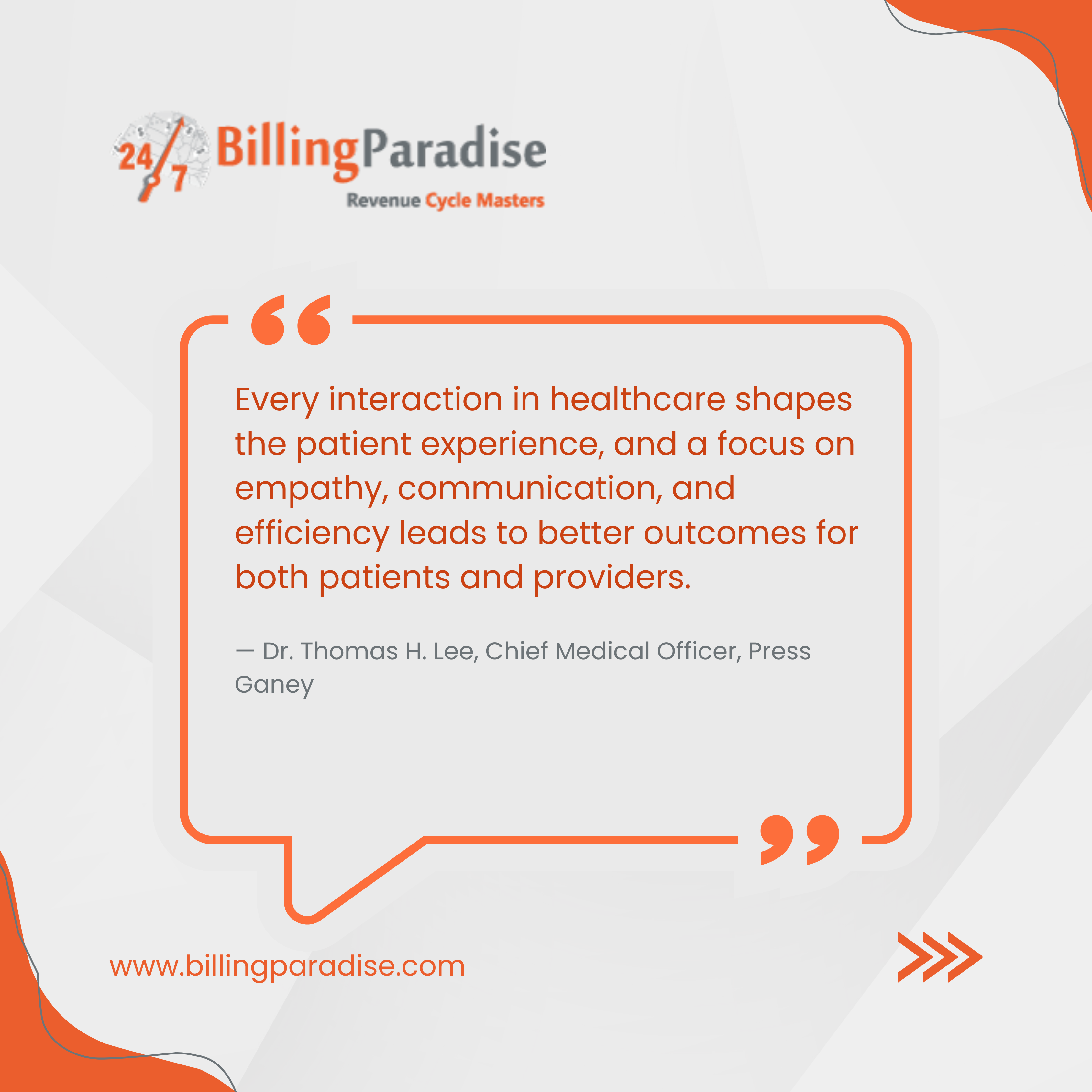
Hospitals with poor patient experience often face higher legal risks. When patients feel neglected, disrespected, or inadequately informed, they are more likely to pursue legal action. Patient experience initiatives that focus on clear communication, empathy, and patient engagement significantly reduce litigation risks.
Financial Impact:
- Hospitals with high patient experience scores report 50% fewer malpractice claims.
- The average cost of a malpractice lawsuit is $400,000, which can be significantly reduced with strong patient experience initiatives.
- Proactive communication strategies improve patient trust, minimizing potential legal challenges.

Conclusion
Investing in patient experience initiatives is not just a moral obligation but a strategic financial move for healthcare organizations. The direct correlation between patient experience, healthcare revenue cycle management, and financial performance is evident. By prioritizing patient experience initiatives, healthcare providers can enhance patient retention, increase revenue, reduce costs, and maintain a competitive edge in the industry. Ultimately, a patient-centered approach benefits not only the patient but also the long-term financial health of the organization.
Organizations like BillingParadise specialize in optimizing healthcare revenue cycle management to ensure that patient experience initiatives lead to tangible financial improvements. Their expertise in streamlining revenue cycles, improving billing transparency, and enhancing payment collections allows healthcare providers to focus on delivering superior patient care while maximizing financial performance. As the healthcare landscape continues to evolve, partnering with revenue cycle management consultants ensures that patient-centered strategies translate into sustained financial success.