Laboratory operations have always been critical to the healthcare ecosystem, providing essential diagnostic services to guide patient care. However, as laboratories grapple with complex billing structures, regulatory requirements, and increasing volumes of data, revenue cycle management (RCM) has emerged as a focal point for innovation. Their delay in payments made the legislation pass the bill that states a one-year delay to Clinical Laboratory Payment Cuts Being Included in the Congressional Spending Package. The bill provides a one-year reprieve from Medicare cuts of up to 15 percent for approximately 800 laboratory services that would have gone into effect in January 2024. ( American Clinical Laboratory Association ).
Advanced predictive analytics in healthcare as a part of RCM automation leads this transformation, enabling laboratories to automate processes, enhance accuracy, and adapt to industry trends with agility. This blog explores how predictive analytics revolutionizes laboratory RCM, why laboratories must embrace these tools, and how RCM consultants can be pivotal in this journey.
The Role of Predictive Analytics in Healthcare RCM
Predictive analytics in healthcare leverages historical data, machine learning, and statistical algorithms to forecast future trends and behaviors. When integrated into RCM for laboratories, it provides actionable insights that drive operational efficiency and financial stability.
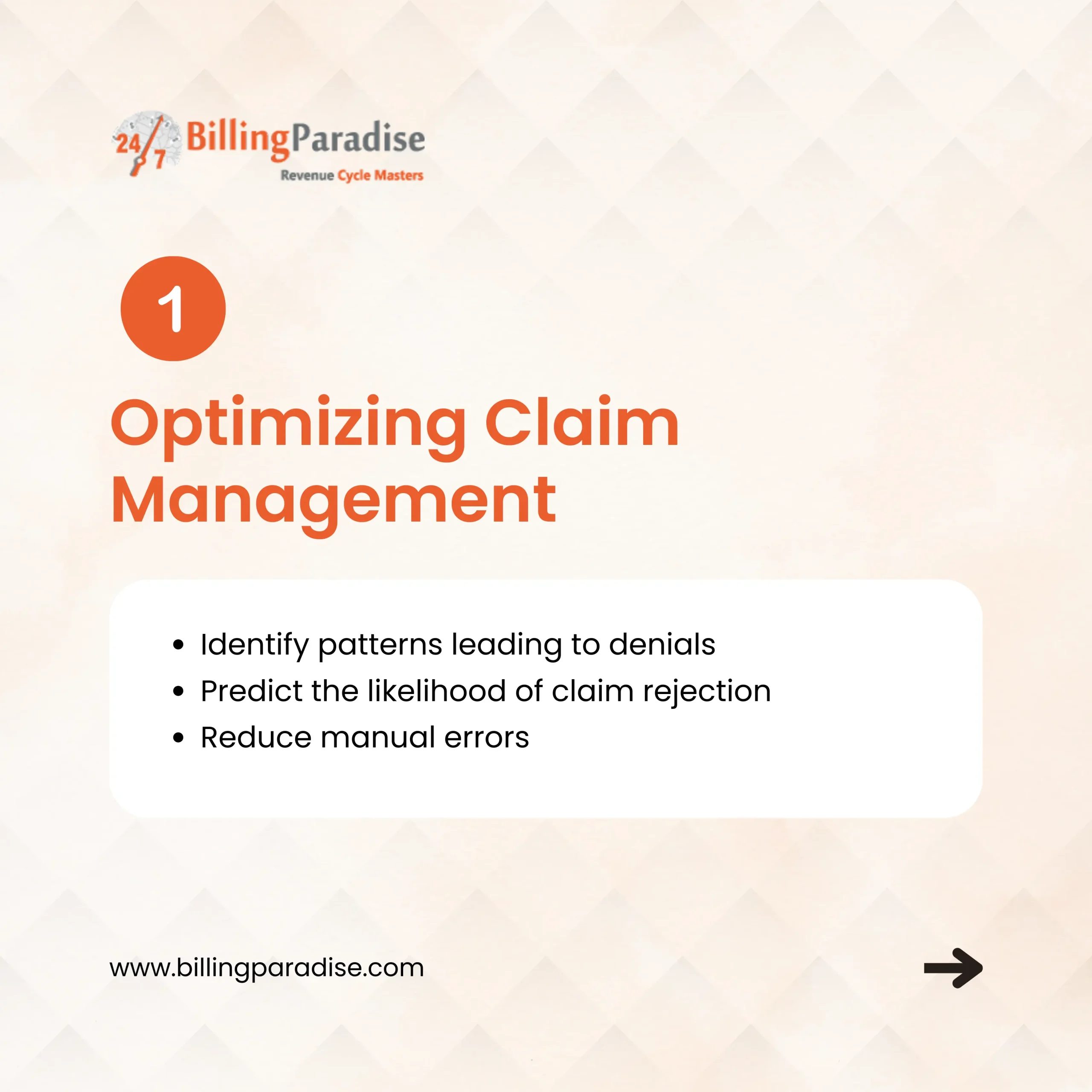
1. Optimizing Claim Management
One of the most significant challenges in laboratory RCM is claim denials, often due to errors in coding, incomplete documentation, or payer requirements. Predictive analytics in healthcare can:
- Analyze historical claim data to identify patterns leading to denials.
- Predict the likelihood of claim rejection before submission, allowing proactive corrections.
- Medical coding automation and documentation processes to reduce manual errors.
These capabilities ensure higher first-pass resolution rates, saving time and resources while increasing reimbursement accuracy.
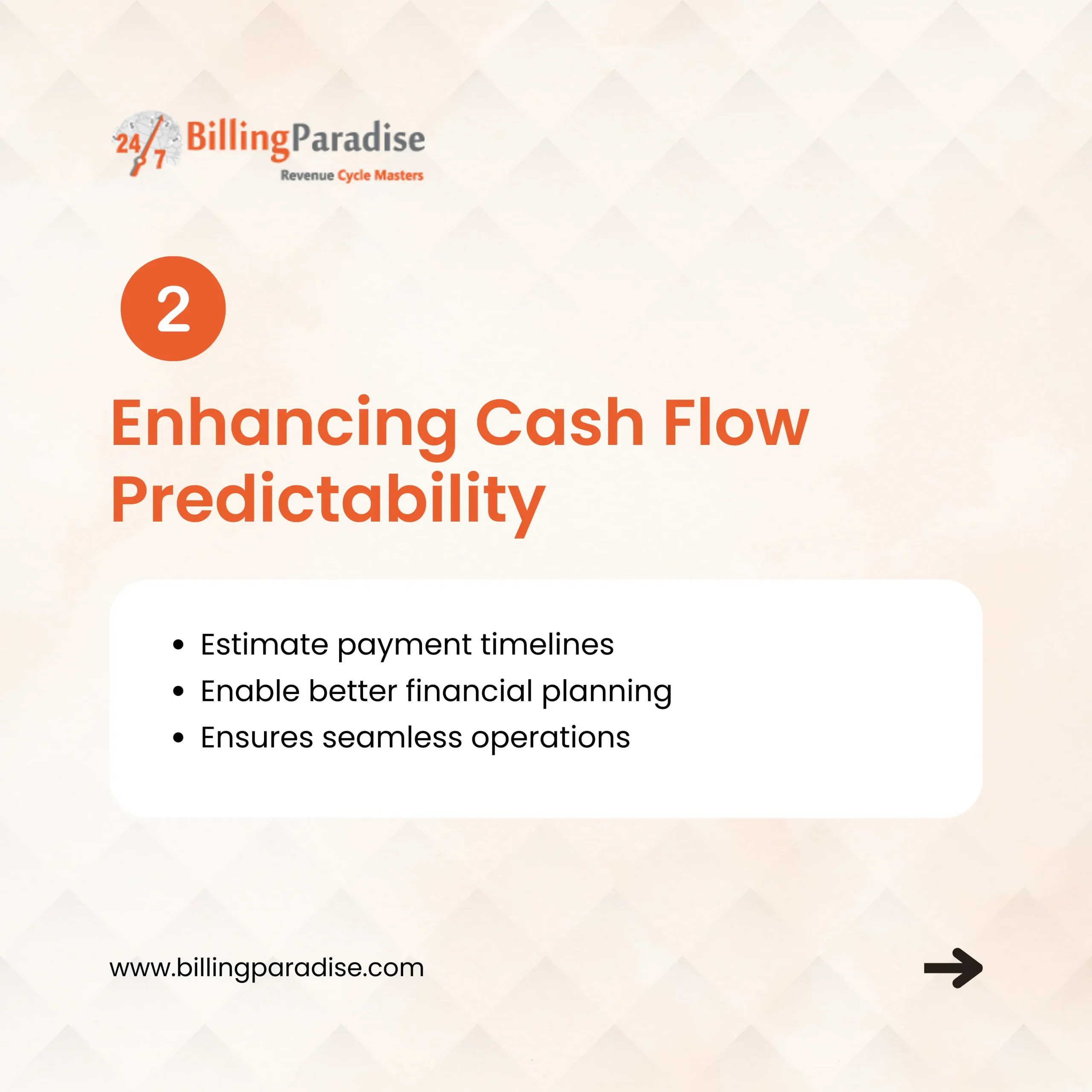
2. Enhancing Cash Flow Predictability
Laboratories often struggle with delayed reimbursements, impacting cash flow. Predictive models can estimate payment timelines based on payer behavior and previous claims, enabling better financial planning and resource allocation. This foresight allows laboratories to avoid financial bottlenecks and ensures seamless operations.
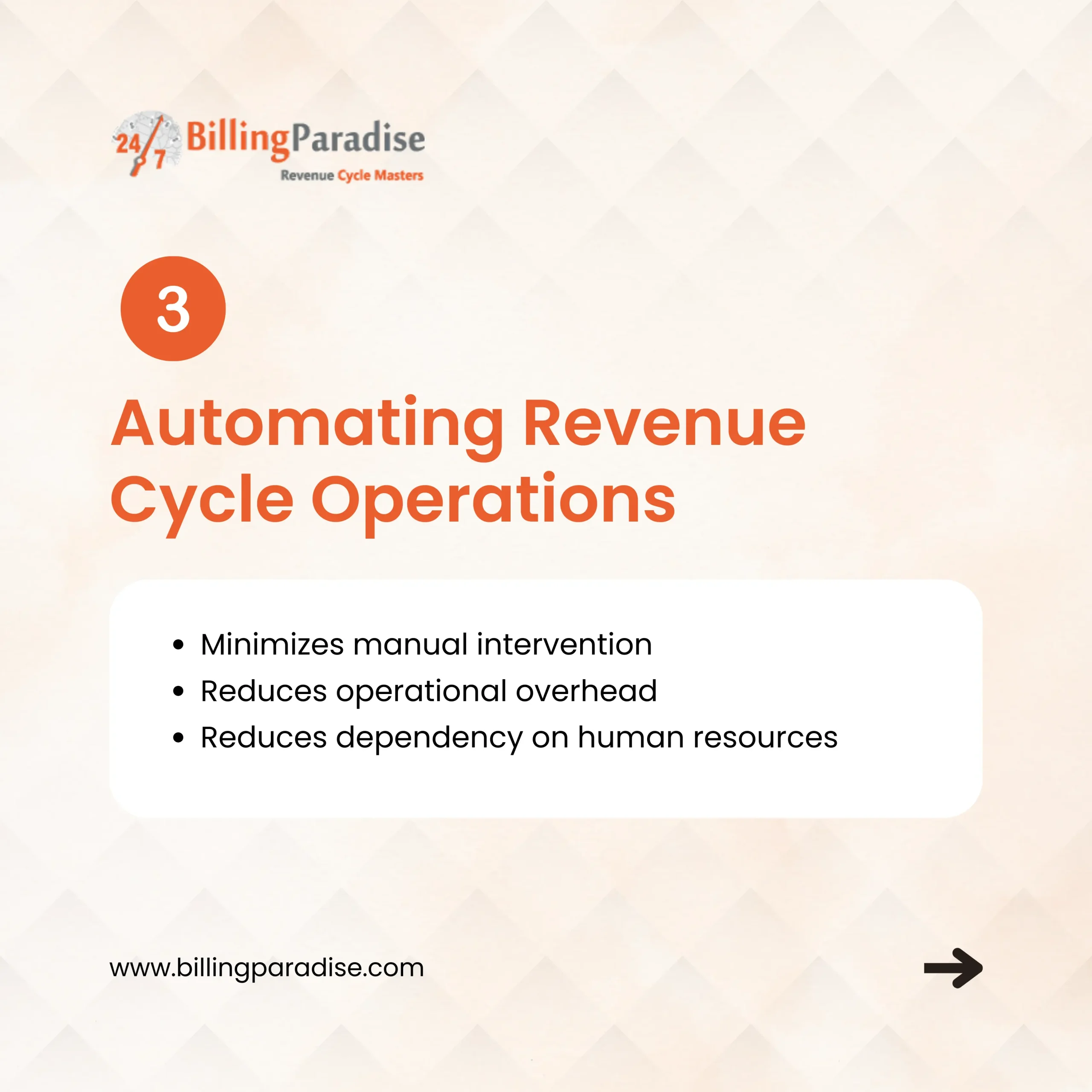
3. Automating Revenue Cycle Operations
Automation driven by predictive analytics in healthcare minimizes manual intervention in repetitive tasks such as billing, claim submission, and follow-ups. By streamlining these processes, laboratories can focus on delivering quality diagnostic services while reducing operational overhead. Moreover, this reduces dependency on human resources for tasks prone to errors, ensuring consistent outcomes.
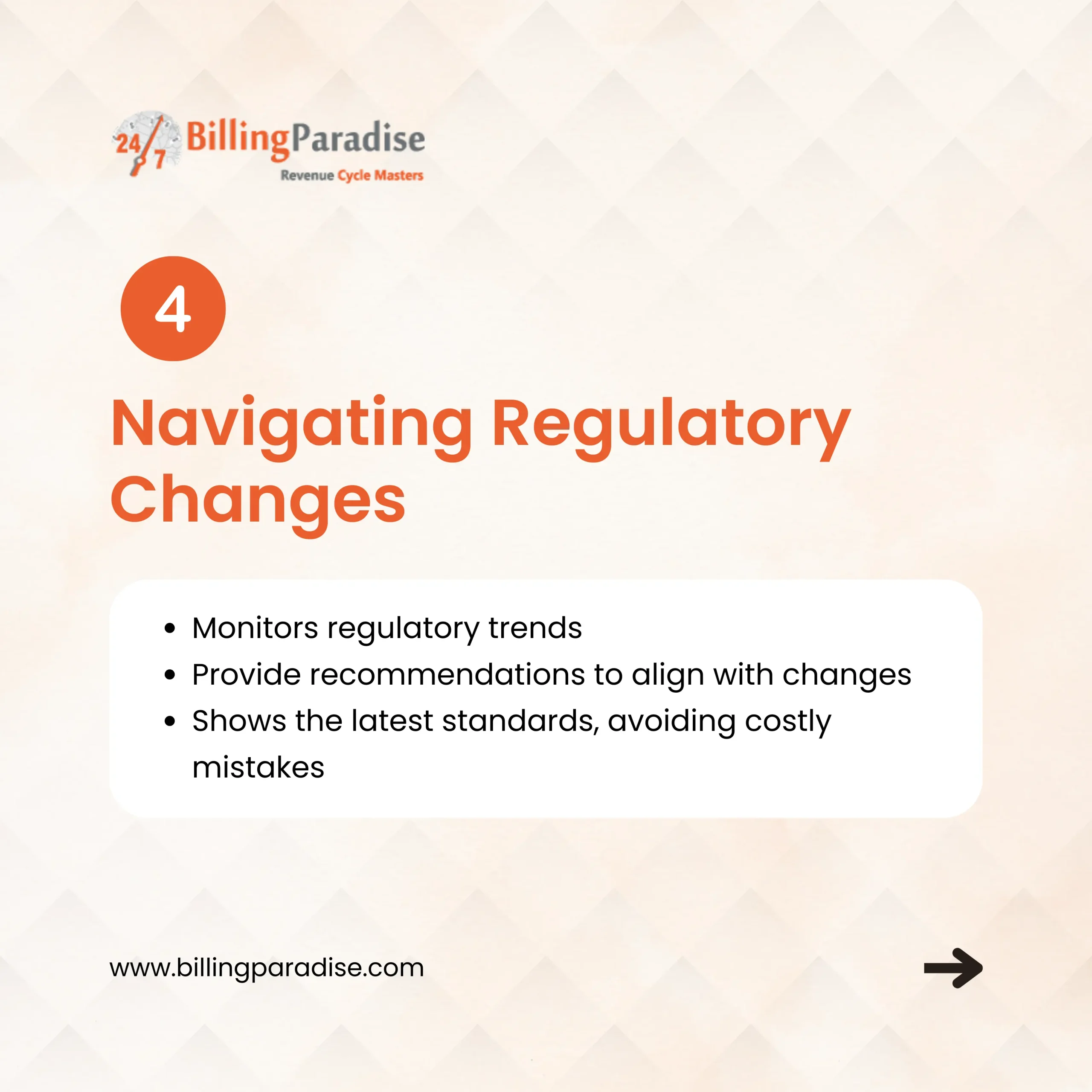
4. Navigating Regulatory Changes
Healthcare regulations evolve constantly, and non-compliance can lead to financial penalties. Predictive analytics in healthcare monitors regulatory trends and flags potential risks, ensuring laboratories remain compliant while adapting their RCM processes proactively. Additionally, these tools can provide recommendations to align laboratory operations by depicting laboratory analytics that show the latest standards, avoiding costly mistakes.
Current Trends Shaping Laboratory RCM
The healthcare industry is witnessing several trends that underscore the need for advanced laboratory analytics in laboratory RCM. Also with Overall payments for pathologists are expected to decrease by 2%, while payments for independent labs are projected to drop by 1%, they need to stay ahead of their RCM game to run their revenue ( Lighthouse Lab Services )
1. Increased Data Volume
With the rise in testing volumes, particularly post-pandemic, laboratories generate immense amounts of data. Managing this data manually is inefficient and prone to errors. Predictive analytics in healthcare harnesses this data to deliver actionable insights, ensuring accuracy and efficiency. Moreover, it allows laboratories to detect anomalies and trends that might otherwise go unnoticed.
2. Value-Based Care Models
As the healthcare industry shifts toward value-based care, laboratories are required to demonstrate the clinical value of their services. Predictive analytics in healthcare can correlate laboratory testing outcomes with patient health improvements, supporting value-based contracts and improving payer negotiations. This alignment ensures laboratories remain competitive in a landscape prioritizing outcomes over volume.
3. Patient Financial Responsibility
Rising deductibles and out-of-pocket expenses mean patients now bear a larger share of healthcare costs. Predictive tools can assess patients’ likelihood of payment, allowing laboratories to design flexible payment plans and improve collection rates. Additionally the laboratory analytics, by offering insights into patient demographics and payment behaviors, laboratories can tailor financial communications effectively.
4. Adoption of Artificial Intelligence
AI and machine learning are becoming integral to healthcare RCM, offering real-time analytics and automated decision-making. Predictive analytics in healthcare complements AI by adding foresight, enabling laboratories to stay ahead of operational and financial challenges. The synergy between AI and predictive analytics in healthcare drives unparalleled accuracy and speed in decision-making.
5. Integration of Interoperability Standards
The push for interoperability in healthcare systems has made it essential for laboratories to seamlessly exchange data with other healthcare entities. Predictive analytics in healthcare can identify inefficiencies in data exchange, ensuring smoother integrations and reducing errors in cross-entity billing processes. This results in improved collaboration across the care continuum.
The Benefits of Embracing Predictive Analytics in Laboratory RCM
Improved Decision-Making
Predictive analytics in healthcare equips laboratory leaders with data-driven insights to make informed decisions. Whether it’s prioritizing claim follow-ups or identifying high-risk accounts, these tools ensure every action aligns with the laboratory’s financial goals. The ability to anticipate outcomes allows laboratories to act strategically rather than reactively.
Scalability
As laboratories expand their services, manual RCM processes often struggle to keep up. Predictive analytics in healthcare scales effortlessly, handling increasing data volumes and complexities with ease. This scalability ensures laboratories can grow without compromising operational efficiency or financial accuracy.
Cost Efficiency
Predictive analytics in healthcare minimize financial waste by reducing claim denials, automating processes, and enhancing cash flow predictability. This translates to significant cost savings over time, allowing laboratories to reinvest in advanced diagnostic technologies or workforce development.
Enhanced Patient Satisfaction
Accurate billing and efficient Revenue Cycle Management services lead to fewer billing disputes, faster resolution of patient queries, and transparent communication—all contributing to better patient experiences. Satisfied patients are more likely to return and recommend the laboratory’s services, boosting both reputation and revenue.
Reduced Administrative Burden
With predictive analytics in healthcare handling repetitive tasks, laboratory staff can focus on strategic initiatives rather than mundane administrative duties. This not only improves job satisfaction but also reduces the risk of burnout, fostering a more productive workforce.
Why Laboratories Need Revenue Cycle Management Consultants
While predictive analytics offers immense potential, implementing these tools effectively requires expertise. RCM consultants bring the knowledge and experience needed to:
- Evaluate laboratory-specific challenges and design customized laboratory analytics solutions.
- Train staff on leveraging predictive tools for maximum impact.
- Continuously monitor and optimize RCM processes for sustained performance.
RCM consultants also stay abreast of industry trends and regulatory changes, ensuring laboratories remain competitive and compliant. By leveraging their expertise, laboratories can maximize the ROI on predictive analytics and achieve long-term financial stability.
View detailed posts on Linkedin
Conclusion: The BillingParadise Advantage
BillingParadise is a 20-year-old revenue cycle and healthcare AI and automation company. We provide complete revenue cycle management solutions, staff support for revenue cycle operations, and RCM AI and automation solutions. BillingParadise offers evidence-based solutions for healthcare leaders to resolve their challenges.
As laboratories navigate the complexities of modern healthcare, the integration of advanced predictive analytics in RCM is not just an option—it’s a necessity. Predictive analytics enables laboratories to optimize claim management, improve cash flow, and adapt to industry trends with confidence.
By partnering with experienced consultants like BillingParadise, laboratories can streamline their revenue cycle processes, improve financial outcomes, and prepare for the future with confidence with owning a tailored laboratory analytics dashboard. Our team’s expertise ensures laboratories achieve their operational and financial goals while focusing on their core mission of diagnostic excellence.
Reach out to BillingParadise today and take the first step toward transforming your laboratory’s RCM journey