Change is the only constant in the world of medical coding codes, and as Victoria Mull, a Certified Professional Coder and an influencer who owns the famous YouTube Channel Contempo Coding, aptly points out, “If there’s anything we can count on as medical coders, it’s that there’s going to be change.” Each year, updates to the ICD-10-CM code set bring new challenges and opportunities for healthcare organizations. Healthcare organizations are failing to adopt these changes abruptly, leading to an improper payment rate of 7.66%, or $31.70 billion, marking 2024, the eighth consecutive year where this figure has been 10% ( Centers for Medicare & Medicaid Services ). With the 2025 changes now released, staying ahead of these updates is critical for operational efficiency, compliance, and optimal revenue cycle management (RCM).
This blog explores the key highlights of the ICD-10-CM 2025 updates, the complexities they introduce, and how RCM consultants can support healthcare organizations in seamlessly adopting these changes, by adopting the best medical coding services.
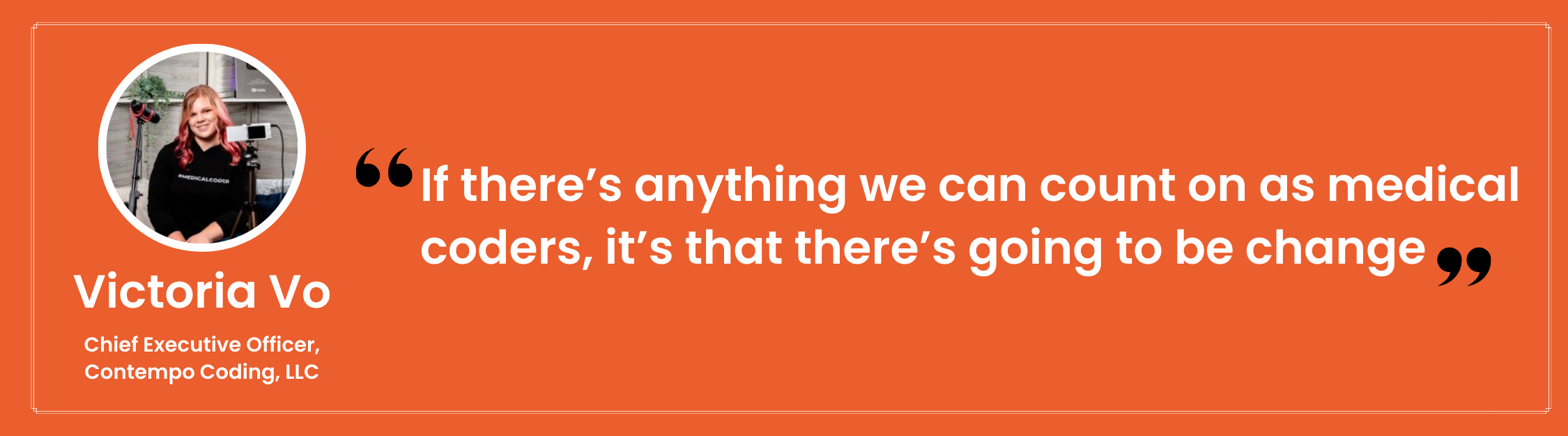
“If there’s anything we can count on as medical coders, it’s that there’s going to be change”
Each year, updates to the ICD-10-CM code set bring new challenges and opportunities for healthcare organizations. Healthcare organizations are failing to adopt these changes abruptly, leading to an improper payment rate of 7.66%, or $31.70 billion, marking 2024, the eighth consecutive year where this figure has been 10% ( Centers for Medicare & Medicaid Services ). With the 2025 changes now released, staying ahead of these updates is critical for operational efficiency, compliance, and optimal revenue cycle management (RCM).
This blog explores the key highlights of the ICD-10-CM 2025 updates, the complexities they introduce, and how RCM consultants can support healthcare organizations in seamlessly adopting these changes, by adopting the best medical coding services.
Understanding the Scope of ICD-10-CM 2025 Updates
For 2025, the ICD-10-CM code set introduces 291 new medical coding CPT codes, along with various revisions and deletions. These changes to the medical coding codes, while fewer in number compared to previous years, address critical areas such as oncology, endocrinology, genetic disorders, and mental health.
Victoria explains, “This year, we’ve got a menial 291 new codes—not a lot. I theorize that we may see this continue to grow smaller as more countries are already moving towards ICD-11, and the United States is still stuck on ICD-10 with no planning for ICD-11 in sight.” This smaller batch of changes still requires close attention, as even minor updates can significantly impact coding practices and reimbursement cycles.
Highlights of the Updates
1. New Medical Coding CPT Codes for Oncology and Remission Documentation
-
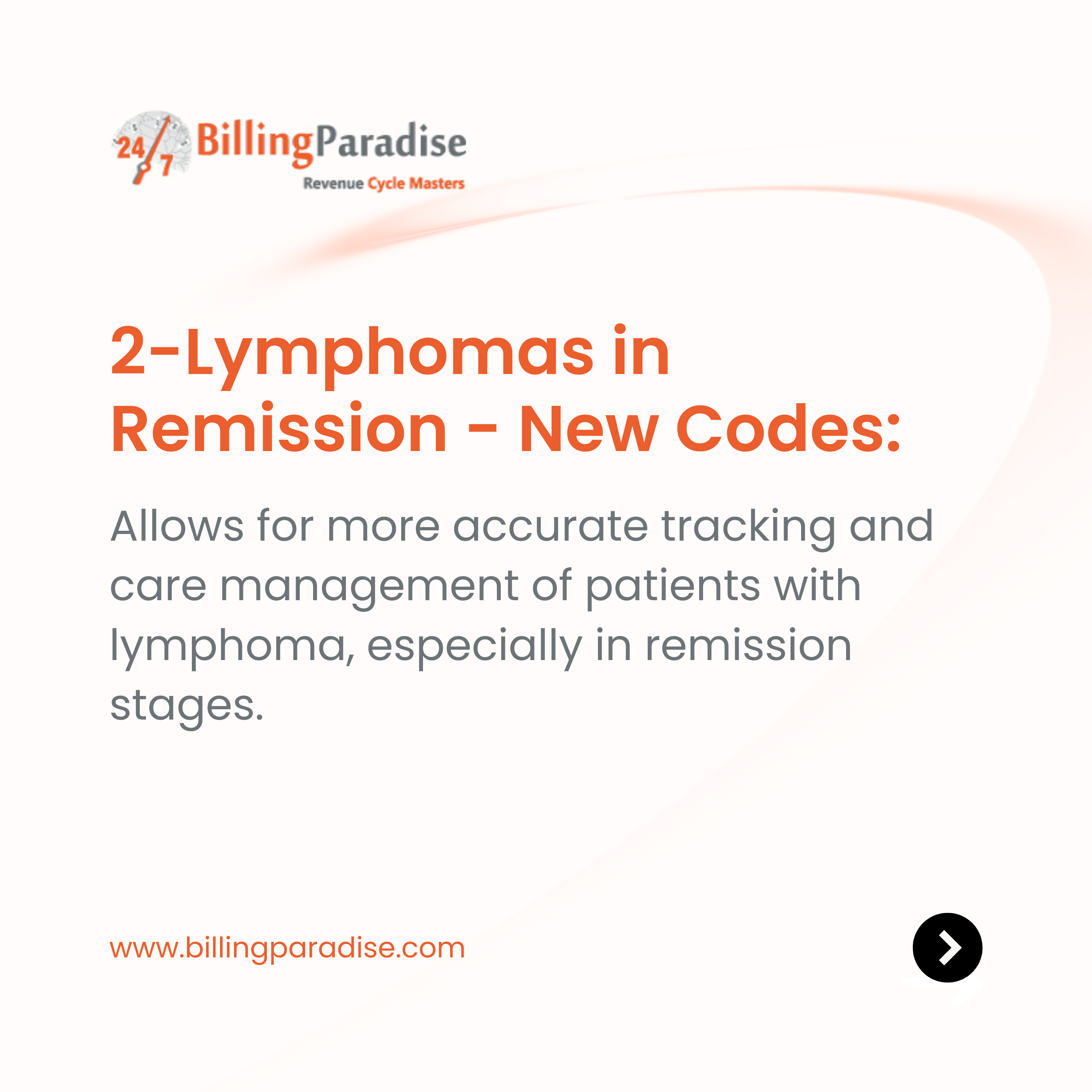
- New codes have been introduced for various types of lymphomas, such as nodular, follicular, and mantle cell lymphomas, focusing on documenting remission stages. These changes enhance specificity, aiding in patient care and research.
- Victoria emphasizes,

“The benefits of having all of these new codes is it’s going to allow us to specifically document and differentiate various types of lymphoma that are in remission.”
2. Advances in Endocrinology Coding
-
- Medical Coding Codes for presymptomatic type 1 diabetes have been introduced, reflecting the importance of identifying autoimmune activity before symptoms appear. Additionally, new classifications for obesity based on severity provide a granular understanding of patient conditions, particularly for pediatric care.
3. Genetic and Neurological Disorders
-
-
- New medical coding CPT codes now address rare conditions like KCNQ2-related epilepsy and serotonin syndrome, allowing for better tracking and treatment of these complex cases.
-
4. Social Determinants of Health (SDOH)
-
- Updates include codes for insufficient health insurance and welfare support, highlighting the growing recognition of SDOH in healthcare delivery and reimbursement models.
5. Changes in Mental Health and Eating Disorders
-
- The addition of specific codes for eating disorders, including mild, moderate, severe, and in remission, allows for better tracking and treatment planning.
The Importance of Staying Ahead
Accurately implementing ICD-10-CM updates is more than a compliance measure—it directly impacts revenue cycle efficiency. Coding inaccuracies or delays in adopting new guidelines can lead to denied claims, revenue loss, and compliance risks. The complexity of these updates demands a proactive approach, and this is where RCM consultants play a critical role.
How RCM Consultants Streamline the Transition
RCM consultants are indispensable partners in helping healthcare organizations navigate the ever-changing landscape of medical coding codes. It is reported that 63% of healthcare organizations were experiencing staffing shortages in their revenue cycle departments, citing those vacancies as particularly difficult to fill ( Care Credit ). From training staff to implementing software solutions, they ensure a seamless transition to updated code sets. Below are key areas where RCM consultants add value.
1. Comprehensive Training and Education
One of the most significant challenges organizations face is ensuring coders are well-versed in the updates. Victoria notes,
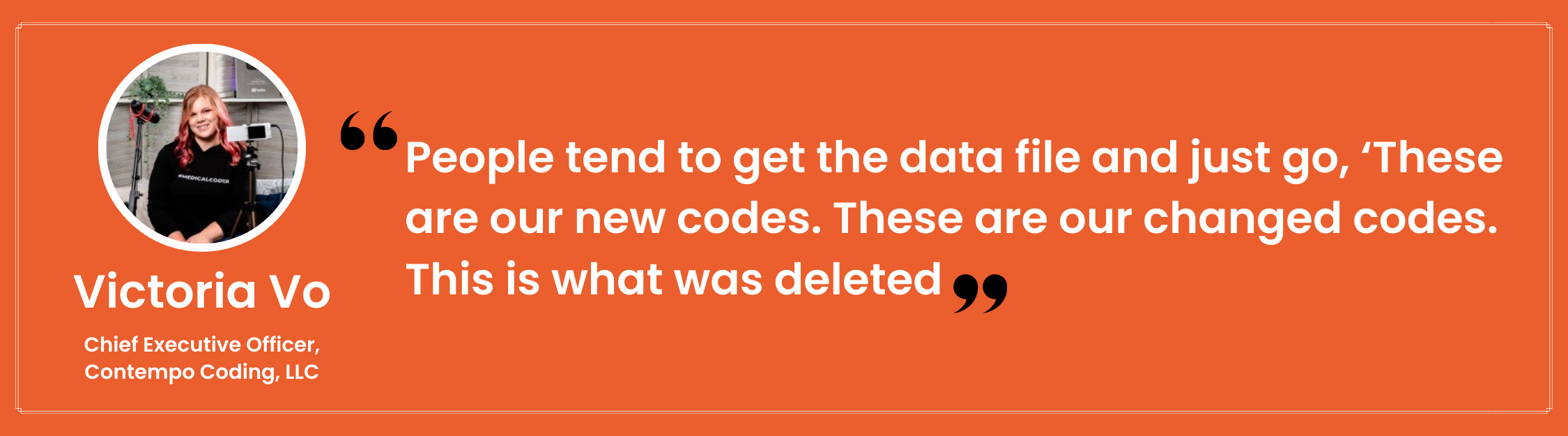
“People tend to get the data file and just go, ‘These are our new codes. These are our changed codes. This is what was deleted.”
However, updates often include nuanced changes in guidelines that are not immediately obvious.
RCM consultants:
- Conduct in-depth training sessions for coding teams, focusing on the implications of updates for specific specialties.
- Highlight changes in documentation requirements, such as the new codes for lymphoma remission and presymptomatic diabetes, ensuring coding accuracy.
- Equip staff with the tools to identify and implement new guidelines effectively.
2. Audit and Gap Analysis
An essential step in adapting to ICD-10-CM updates is auditing current coding practices to identify areas of vulnerability. RCM consultants:
- Perform thorough gap analyses to determine where existing coding practices may fall short in aligning with the new updates.
- Highlight missed opportunities for enhanced documentation, such as leveraging the newly added codes for eating disorders or rare genetic conditions.
3. Technology Integration and Optimization
Efficiently integrating coding updates into electronic health record (EHR) systems and Eclinicalworks billing services is crucial for maintaining operational efficiency. RCM consultants work closely with IT teams to:
- Update systems with the latest codes, ensuring seamless coding and billing processes.
- Implement tools like automated coding software to reduce manual errors.
- Customize software settings to flag coding discrepancies and ensure compliance with the 2025 updates.
4. Real-Time Support and Guidance
Even with training and updated systems, coders and billing teams may encounter ambiguities when applying new codes. RCM consultants provide ongoing support to address these challenges:
- They serve as on-demand resources for resolving complex coding scenarios.
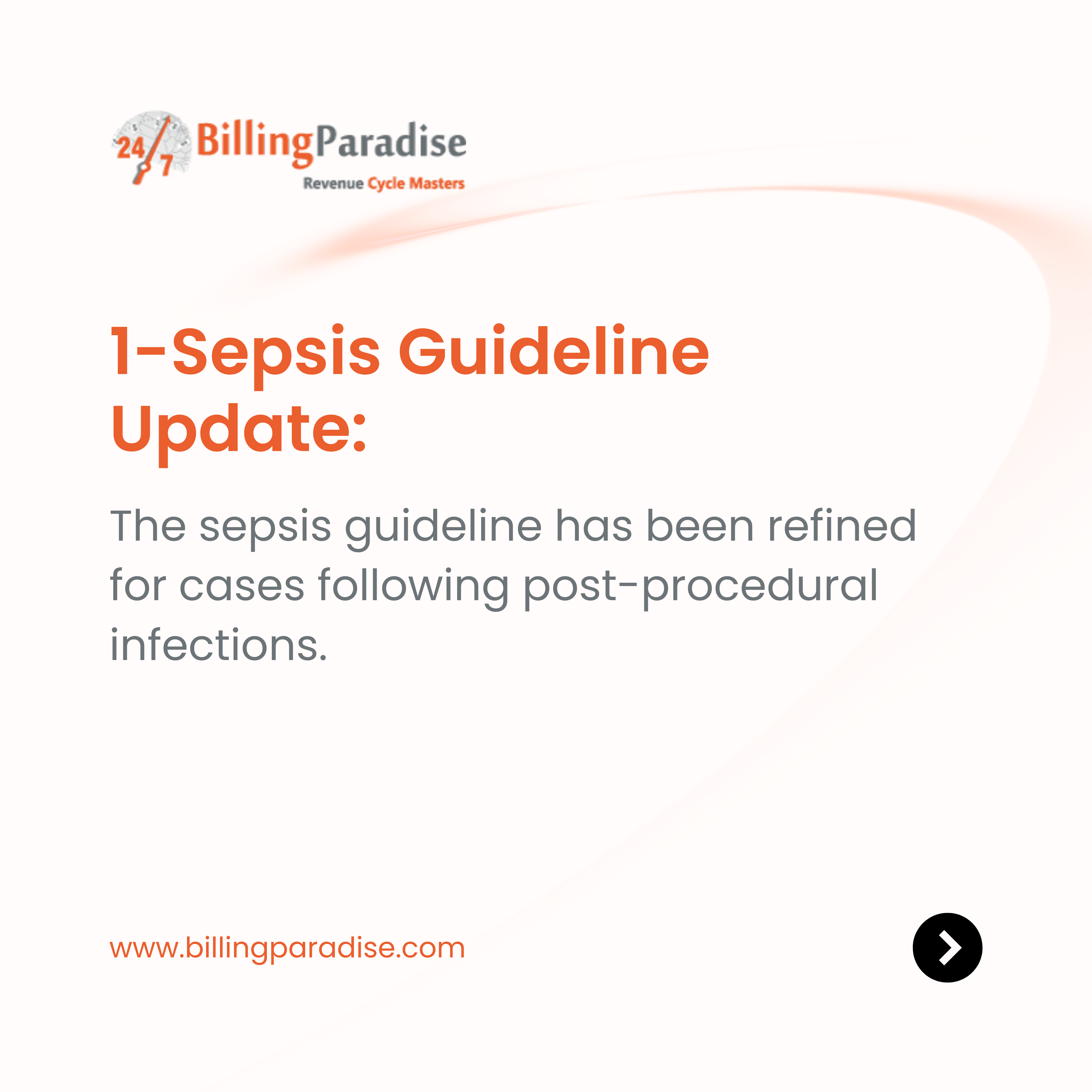
- Offer insights on guidelines that are not immediately clear, such as the revised sequencing rules for sepsis coding.
5. Monitoring and Compliance Assurance
Post-implementation monitoring is critical to ensure compliance and identify any lingering gaps. RCM consultants:
- Track coding accuracy and claim success rates to measure the effectiveness of the updates.
- Conduct periodic audits to ensure adherence to the updated guidelines.
- Provide feedback loops to continuously improve coding practices and minimize errors.
Why RCM Support Matters More Than Ever
Healthcare organizations are operating in an environment of increasing complexity. In addition to ICD-10-CM updates, they must navigate payer-specific requirements, regulatory changes, and value-based care models. RCM consultants offer a strategic advantage in approaching the changing medical coding codes and enabling organizations to focus on patient care while ensuring that their revenue cycle remains efficient and compliant.
Victoria highlights the importance of staying informed, stating, “It’s your responsibility to make sure that you are double-checking that the information is accurate within your region, scope of practice, and all of that good stuff.” RCM consultants take this burden off organizations, offering the expertise and resources needed to adapt seamlessly.
Why RCM Support Matters More Than Ever
Healthcare organizations are operating in an environment of increasing complexity. In addition to ICD-10-CM updates, they must navigate payer-specific requirements, regulatory changes, and value-based care models. RCM consultants offer a strategic advantage in approaching the changing medical coding codes and enabling organizations to focus on patient care while ensuring that their revenue cycle remains efficient and compliant.
Victoria highlights the importance of staying informed, stating, “It’s your responsibility to make sure that you are double-checking that the information is accurate within your region, scope of practice, and all of that good stuff.” RCM consultants take this burden off organizations, offering the expertise and resources needed to adapt seamlessly.


View the detailed post on LinkedIn
Conclusion: BillingParadise—Your Trusted RCM Partner
Implementing the 2025 ICD-10-CM updates is a daunting but essential task. From understanding the intricate details of new codes to ensuring compliance and maintaining revenue integrity, the process requires specialized knowledge and proactive management.
BillingParadise, as a trusted RCM consultant, specializes in helping healthcare organizations navigate these complexities. With a proven track record in training, auditing, technology optimization, and compliance assurance, BillingParadise ensures that your organization not only adopts updates efficiently but also thrives in an evolving regulatory landscape.
As we gear up for the ICD-10-CM updates and beyond, let BillingParadise be your partner in transforming challenges into opportunities. Contact us today to learn how we can help you keep coding, billing, and managing your revenue cycle seamlessly.
By partnering with expert RCM consultants, healthcare organizations can stay ahead of the curve, confidently implement updates, and continue delivering quality care while safeguarding their bottom line.