Healthcare costs for employees are rising at an unprecedented rate, placing significant financial pressure on hospitals and healthcare organizations.In California, a new state law aims to raise the minimum wage for healthcare workers to $25 per hour over the next decade. Initially, workers at larger hospitals will receive a minimum of $23 per hour, while those at rural, independent facilities will start at $18 per hour. This legislation impacts approximately 350,000 workers and seeks to improve wages while maintaining care standards ( ABNEWS ). CFO healthcare executives across the industry are tasked with navigating this evolving challenge while ensuring financial stability and continued quality patient care.
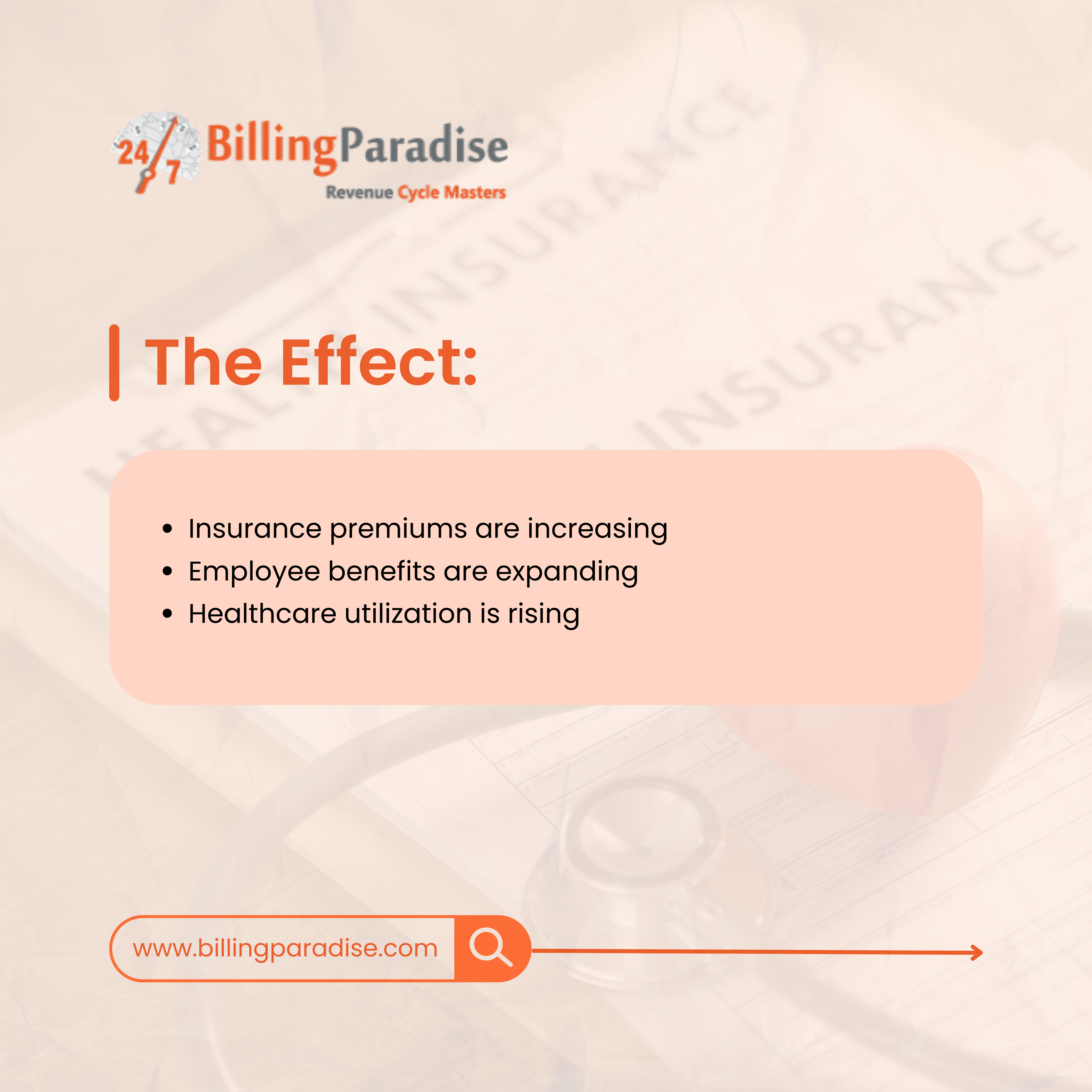
According to recent reports, rising insurance premiums, increased utilization of healthcare services, and inflation in medical costs are key contributors to this trend. Additionally, workforce shortages in the healthcare sector have forced organizations to offer more competitive benefits to attract and retain talent, further driving up costs. With these mounting expenses, CFO healthcare leaders must explore innovative hospital CFO strategies to manage financial risks and maintain operational efficiency.
Key Financial Pressures Faced by CFO Healthcare
1. Increasing Health Insurance Premiums
Many hospitals provide comprehensive health insurance plans for their employees. However, annual premium increases have become a persistent financial strain. Employers are now forced to either absorb these costs, pass them on to employees, or find alternative healthcare cost management strategies.
2. Expanding Benefits to Retain Talent
To remain competitive in hiring and retention, healthcare organizations are expanding benefits, including mental health services, wellness programs, and telehealth options. While these investments can improve employee well-being and reduce long-term healthcare costs, they create immediate financial burdens for CFO healthcare professionals.
3. Higher Healthcare Utilization Rates
With an aging workforce and increased focus on preventive care, employees are utilizing more healthcare services. This demand drives up employer-sponsored healthcare costs, making it essential for CFO healthcare executives to optimize their hospital CFO strategies to mitigate financial risks.
4. Regulatory and Compliance Challenges
Government policies, including compliance with the Affordable Care Act (ACA) and state-level regulations, add another layer of complexity. Any misstep in healthcare cost management or benefits administration can result in penalties and increased administrative costs.
Strategies CFO Healthcare Are Implementing to Manage Healthcare Costs
1. Value-Based Insurance Design (VBID)
VBID focuses on incentivizing employees to seek high-value care, such as preventive services, chronic disease management, and lower-cost care settings like telehealth. By structuring benefits to encourage cost-effective care, CFO healthcare executives can help control spending.
2. Healthcare AI and Automation
AI-driven solutions can analyze spending trends, predict cost surges, and automate revenue cycle operations to reduce administrative overhead. AI tools in healthcare cost management help CFO healthcare professionals streamline claims processing and improve payment collections.
3. Strategic Workforce Planning
A well-structured workforce strategy, including outsourcing revenue cycle operations, hiring temporary staff for peak periods, and leveraging AI-driven automation, can significantly lower operational costs while maintaining efficiency.
4. Employee Cost-Sharing Models
To balance the financial load, some healthcare organizations are adopting cost-sharing models where employees contribute more towards premiums, deductibles, or out-of-pocket expenses. CFO healthcare professionals are structuring these changes carefully to ensure minimal impact on employee satisfaction.
5. Optimizing Revenue Cycle Management (RCM)
An efficient RCM strategy can alleviate financial pressures by improving cash flow, reducing denials, and ensuring timely reimbursements. Leveraging RCM consultants allows CFO healthcare leaders to identify inefficiencies, implement AI-driven automation, and enhance claims processing.

How RCM Consultants Help CFOs Address These Challenges
RCM consultants play a critical role in helping CFO healthcare executives navigate the financial complexities associated with rising employee healthcare costs. The global RCM market is experiencing significant growth, reflecting the increasing reliance on RCM services to optimize revenue cycles. In 2022, the market was valued at approximately $44.9 billion and is projected to reach $84.1 billion by 2028 ( MARKETS & MARKETS ).Their expertise enables organizations to optimize revenue capture, improve reimbursement rates, and reduce operational inefficiencies. Here’s how:
1. Revenue Optimization and Cost Reduction
RCM consultants assess revenue cycle inefficiencies and offer revenue cycle management services, to enhance cash flow. By identifying revenue leakage, improving coding accuracy, and minimizing claim denials, CFO healthcare professionals can maximize their financial performance.
2. Advanced AI and Automation Integration
AI-driven RCM solutions streamline workflows, reduce administrative burdens, and enhance revenue cycle efficiency. Automated eligibility verification, predictive analytics, and AI-driven denial management significantly improve financial outcomes and aid in healthcare cost management.
3. Enhancing Claims and Denial Management
One of the major pain points for CFO healthcare leaders is managing claim denials and delays. RCM consultants implement robust denial management strategies, ensuring that claims are processed correctly the first time, reducing rework and revenue loss.
4. Staff Augmentation for RCM Operations
With labor shortages in healthcare administration, RCM consultants provide staffing solutions to support revenue cycle operations. This allows organizations to scale efficiently without overburdening internal teams, a crucial aspect of hospital CFO strategies.
5. Customized Financial Reporting and Insights
Data-driven insights help CFO healthcare professionals make informed financial decisions. RCM consultants provide customized reports and dashboards that track revenue trends, payer performance, and overall financial health.
The Future of Hospital CFO Strategies in Healthcare Cost Management
As the financial landscape of healthcare continues to evolve, hospital CFO strategies must also adapt. Key trends shaping the future include:
- Expansion of AI and automation: AI will continue to drive efficiency in revenue cycle management and financial planning.
- Increased use of predictive analytics: CFO healthcare professionals will rely on data-driven insights to anticipate cost trends and optimize budget allocations.
- Greater emphasis on value-based care: Organizations will shift towards payment models that reward cost-effective, high-quality care.
- Stronger partnerships with RCM consultants: As financial pressures mount, CFOs will increasingly seek expert guidance to improve revenue cycle performance.
Conclusion: The Role of BillingParadise in Addressing These Challenges

For CFO healthcare professionals seeking to navigate the financial challenges posed by rising employee healthcare costs, partnering with an experienced RCM consultant is crucial. BillingParadise, a 20-year-old revenue cycle and healthcare AI and automation company, offers comprehensive RCM services, staff support, and AI-driven automation solutions. With a commitment to evidence-based solutions, BillingParadise helps hospital CFO strategies optimize financial performance and improve operational efficiency.
By leveraging expert RCM consultants like BillingParadise, CFO healthcare executives can gain the strategic support needed to manage rising healthcare costs while maintaining financial stability and quality patient care. The key to success lies in embracing innovative solutions and proactive healthcare cost management strategies tailored to the evolving healthcare landscape.