
Medical Claim denials pose a substantial challenge for providers as it substantially affects their revenue. On an avergae at least 32% of outpatient commercial claims and 11% of traditional Medicare claims go unpaid at 90 days. ( American Medical Association ) These denials not only impact the financial health of healthcare organizations but also limit their ability to serve the community effectively. Understanding the root causes of claim denials and their repercussions on healthcare reimbursement, and alongside adopt the best denial management service can empower healthcare providers to navigate this complex issue.
The Impact of Medical Claim Denials on Providers’ Healthcare Reimbursements
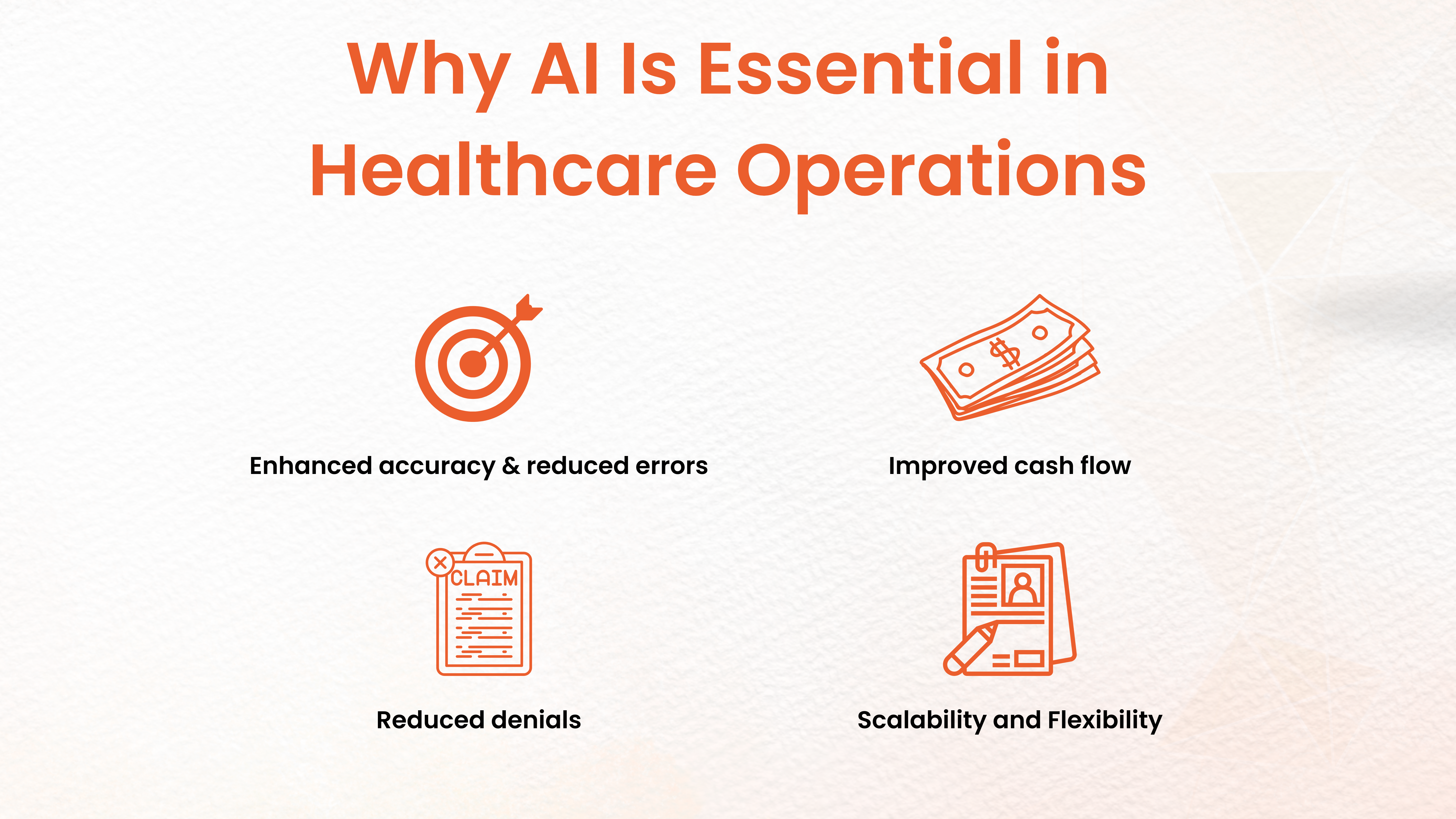
Claim denials occur when insurance companies refuse to pay for services rendered, leading to lost revenue for healthcare providers. This can arise from various reasons, including coding errors, lack of medical necessity, or issues with patient eligibility. Each denied claim represents not just a missed payment but a significant administrative burden, requiring time and resources to address.
Financial Consequences
The financial implications of claim denials can be staggering. According to industry studies, the average provider experiences a denial rate of about 5% to 10% of total claims. While this may seem manageable, when applied to a large volume of claims, it results in substantial lost revenue, due to the medical billing issues in healthcare. Providers often spend countless hours appealing denied claims, diverting their focus from patient care to administrative tasks. This inefficiency can lead to a cascading effect, causing delays in services and impacting the overall quality of care.
medicare reimbursement is a critical lifeline for healthcare providers, and denied claims disrupt this flow. Delays in medicare reimbursement can strain cash flow, making it challenging for organizations to cover operational costs, pay staff, or invest in necessary resources. Ultimately, these financial hurdles can limit the ability of providers to deliver quality care and expand services within their communities.
Community Impact
When healthcare providers are financially strained due to claim denials, the repercussions extend beyond their organizations. Limited cash flow may force providers to cut back on services or delay necessary upgrades to equipment and facilities. This reduction in resources can significantly affect patient care, particularly in underserved communities where access to healthcare is already limited.
The ripple effect of claim denials can also manifest as longer wait times for patients, reduced availability of specialized services, and even the closure of essential care facilities. When healthcare reimbursement is hindered, providers may struggle to maintain a robust workforce, further exacerbating healthcare access issues.
Common Reasons for Claim Denials

Understanding the common reasons for claim denials is crucial for healthcare providers aiming to reduce their occurrence. Here are some of the key factors:
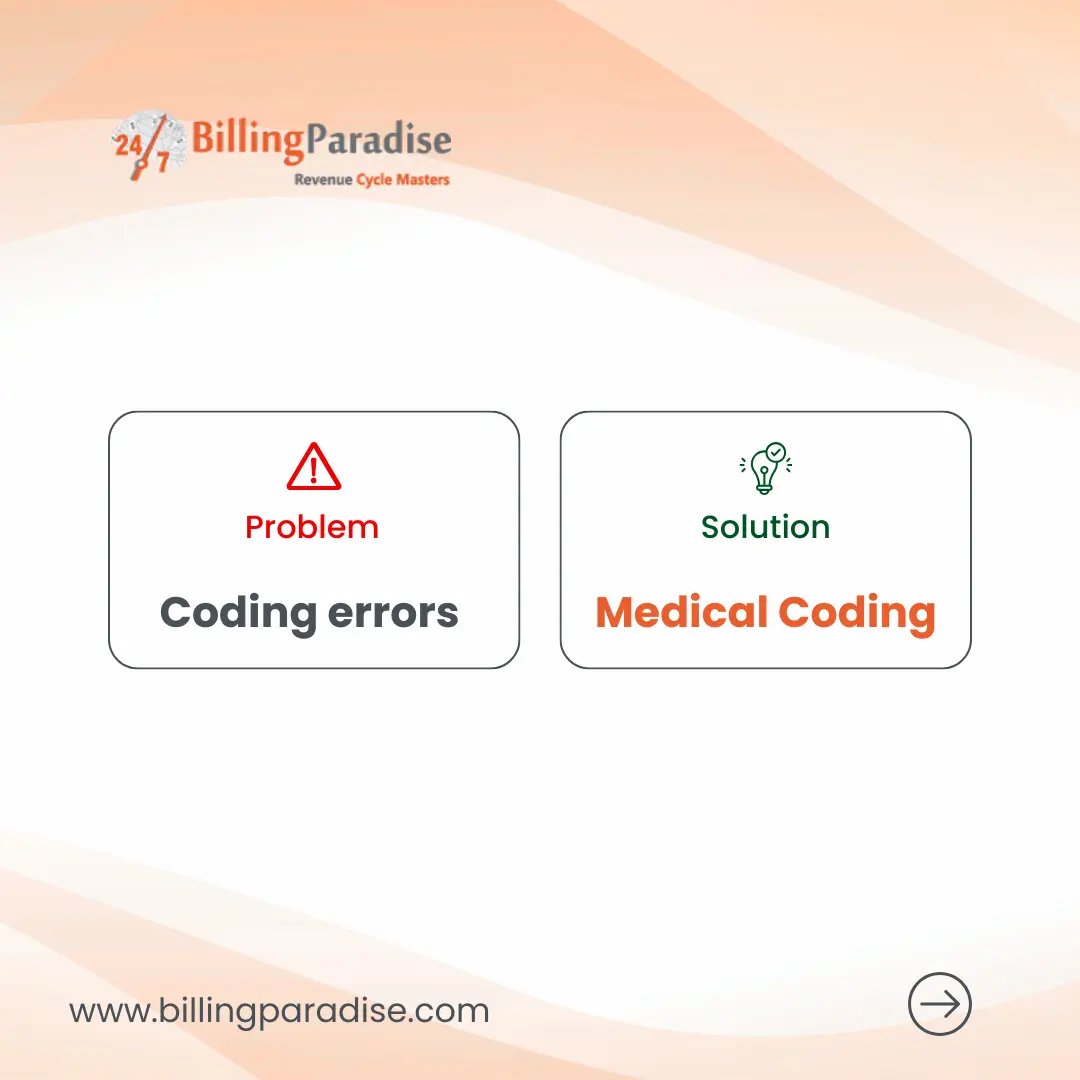
1. Coding Errors
One of the leading causes of claim denials is incorrect coding, which leads to medical billing issues in healthcare. Medical coding services is complex tast to take onboard, and even minor errors can result in claim rejection. Providers must ensure that they are using the correct codes for diagnoses and procedures to avoid denials. A single digit error can lead to significant healthcare reimbursement delays, impacting cash flow and overall revenue.
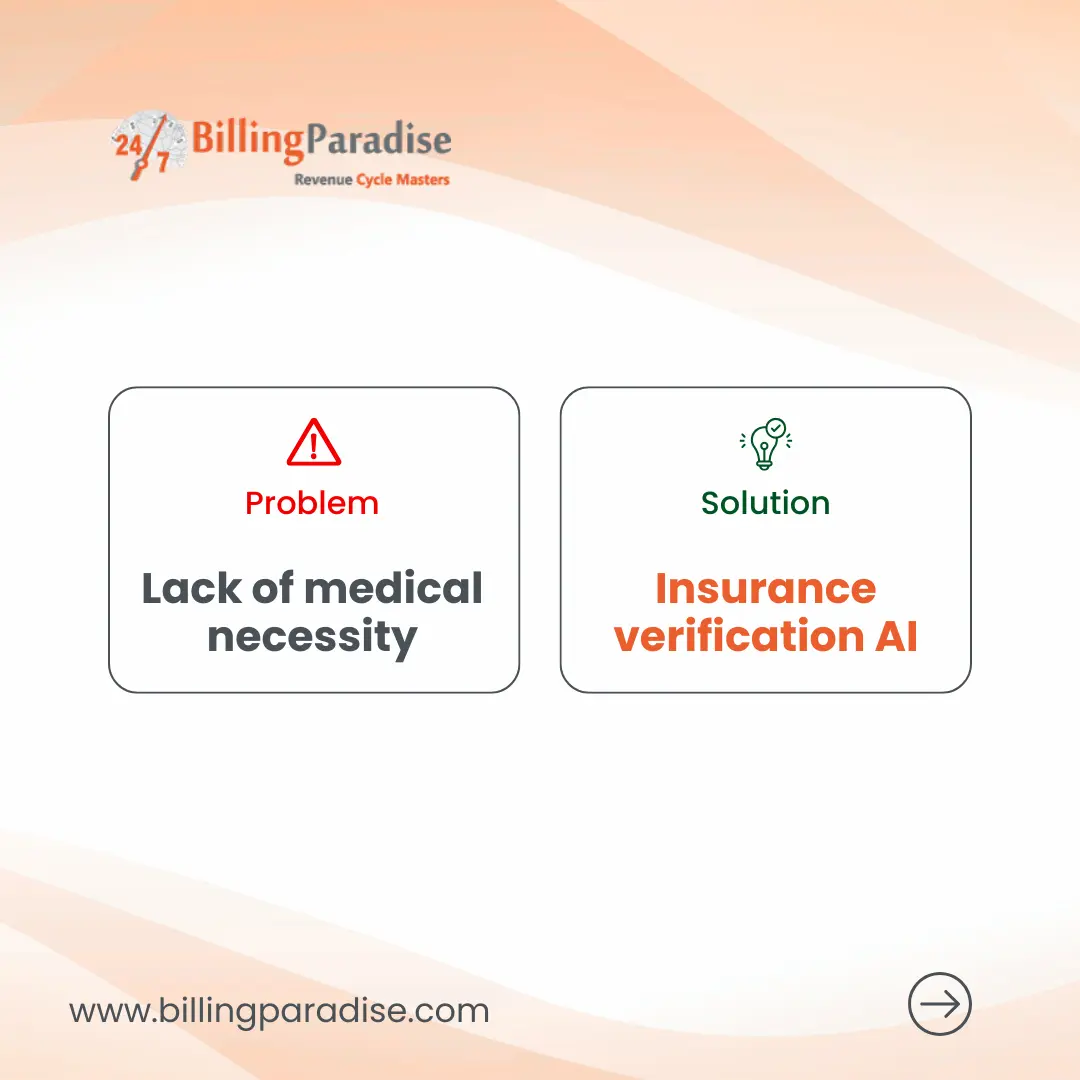
2. Lack of Medical Necessity
Insurance companies require proof that services rendered are medically necessary. If the documentation does not support the necessity of a procedure, claims may be denied. Providers must be diligent in maintaining comprehensive medical records to substantiate their services. Failure to demonstrate medical necessity can not only lead to claim denials but also to longer healthcare reimbursement cycles as appeals are processed.
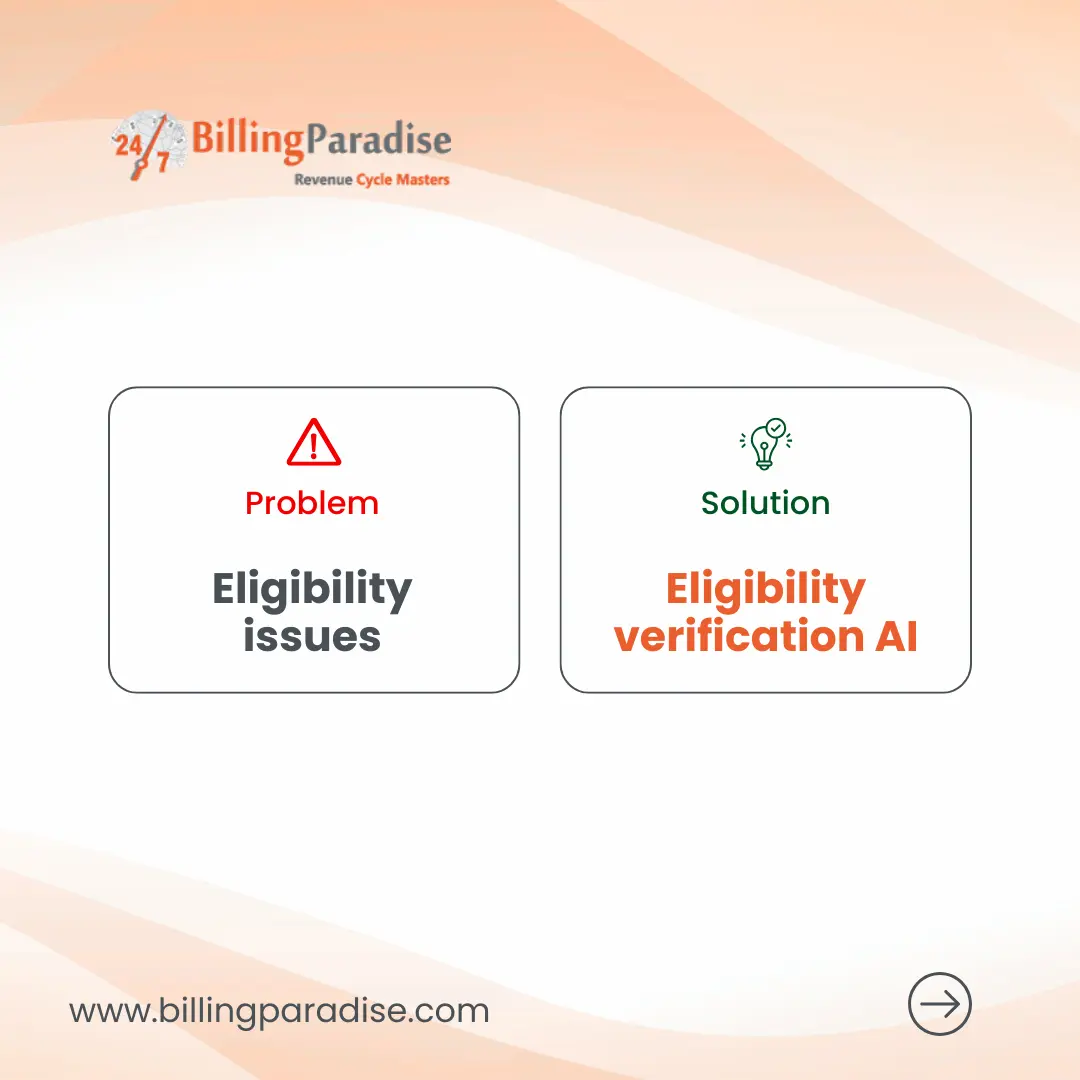
3. Eligibility Issues
Claims can be denied if patients are not eligible for coverage at the time of service. This may occur due to expired insurance policies, failure to verify coverage, or misunderstandings about benefits. Ensuring that eligibility checks are performed before services are rendered can mitigate this issue and promote a smoother healthcare reimbursement process.
4. Insufficient Documentation
Inadequate documentation can lead to claim denials as well. Providers must ensure that all necessary information is included in patient records and submitted claims. This includes treatment notes, lab results, and any other pertinent data that supports the claim. Insufficient documentation often results in prolonged appeals processes and delayed healthcare reimbursements.
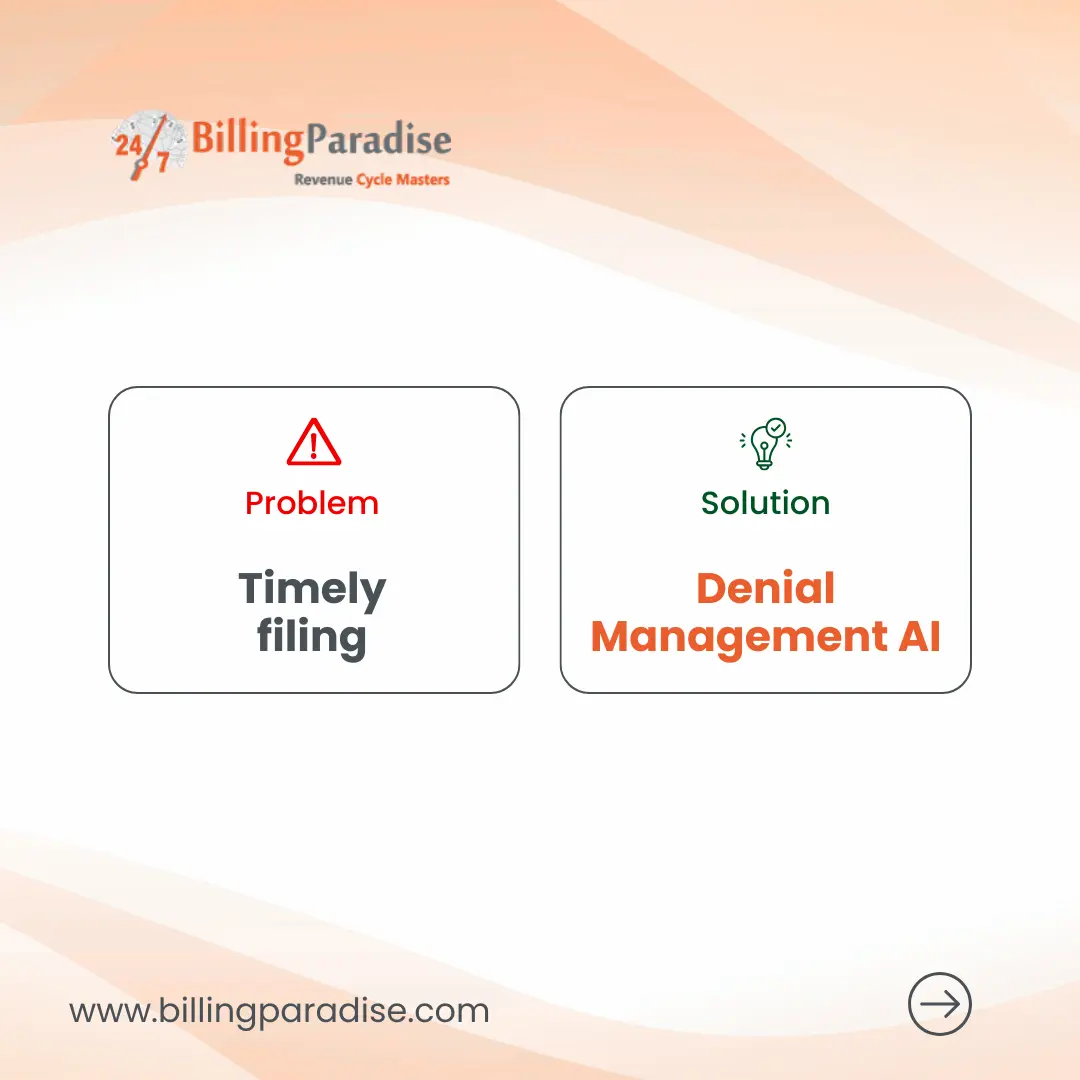
5. Timely Filing Issues
Insurance companies impose strict deadlines for claim submissions. If claims are filed late, they may be denied regardless of their validity. Providers need to have efficient processes in place to ensure timely claim submissions. Delayed filings not only impact immediate cash flow but can also cause long-term issues with healthcare reimbursement patterns.
The Role of Revenue Cycle Management Healthcare
Effective revenue cycle management (RCM) plays a critical role in minimizing claim denials and ensuring financial stability for healthcare providers. RCM encompasses the entire process of managing the financial transactions that occur within a healthcare organization, from patient registration to final payment.
1. Streamlining Processes
To reduce claim denials, healthcare providers must streamline their RCM processes. This includes automating workflows, implementing thorough checks for coding and documentation, and regularly training staff on best practices. By optimizing these processes, providers can enhance accuracy and reduce the chances of errors that lead to denials.
Streamlining also enables quicker turnaround times for healthcare reimbursements, which is vital for maintaining healthy cash flow. In the dynamic healthcare environment, revenue cycle optimization processes can be a game-changer.
2. Continuous Monitoring
Regular monitoring of claim denials is essential for identifying trends and areas for improvement. By analyzing denial patterns, providers can pinpoint recurring issues and implement corrective actions. This proactive approach can significantly decrease denial rates and enhance overall revenue.
Continuous monitoring also supports strategic decision-making regarding healthcare reimbursement strategies. Understanding why claims are denied can inform future practices, ensuring that providers are less likely to encounter the same issues repeatedly.
3. Staff Training and Education
Investing in staff training is crucial for reducing claim denials. Ongoing education ensures that employees stay informed about changes in coding guidelines, insurance policies, and best practices in documentation. A well-trained staff is less likely to make errors that result in denials.
Regular workshops, online courses, and training sessions can equip staff with the knowledge they need to navigate the complexities of insurance healthcare reimbursement processes confidently. By fostering a culture of learning, healthcare organizations can enhance their overall RCM performance.
4. Utilizing Technology for Denial Management
As the healthcare industry becomes increasingly digitized, technology plays a vital role in addressing claim denials. Advanced software solutions can enhance RCM by automating various processes, improving accuracy, and providing valuable insights into claim performance.
5. AI and Automation Tools
Artificial Intelligence (AI) and automation tools are revolutionizing the way healthcare providers manage claim denials. These technologies can analyze vast amounts of data quickly, identifying patterns and predicting potential denials before they occur. By leveraging AI, providers can take a proactive approach to denial management, addressing issues before they escalate.
Automation can also streamline the appeals process for denied claims, ensuring that claims are resubmitted correctly and efficiently. This reduces the time it takes to receive healthcare reimbursements and enhances the overall financial health of the organization.
6. Predictive Analytics
Predictive analytics allows healthcare organizations to assess the likelihood of claim denials based on historical data. By understanding the factors that contribute to denials, providers can implement targeted strategies to mitigate risks. This data-driven approach not only reduces denial rates but also enhances overall revenue cycle performance.
Implementing predictive analytics enables healthcare organizations to forecast cash flow more accurately, which is essential for financial planning. By knowing when and where denials are likely to occur, organizations can adjust their strategies accordingly.


View the detailed post on LinkedIn
Denial Management Solutions
Many healthcare organizations are turning to comprehensive denial management solutions that incorporate AI and automation. These tools provide real-time monitoring of claims, enabling providers to identify and address issues quickly. By automating the denial appeal process, healthcare providers can save valuable time and resources, allowing them to focus more on patient care.
A robust denial management solution can also integrate with existing RCM systems, creating a cohesive strategy for managing claims from submission through healthcare reimbursement. This integration helps to ensure that all aspects of the revenue cycle are working in harmony, ultimately improving financial outcomes.
1. The Importance of Clear Communication
Effective communication within the organization and with insurance providers is crucial for reducing claim denials. Clear communication helps ensure that all team members are on the same page regarding coding, documentation, and billing practices and avoiding medical billing issues. Additionally, maintaining open lines of communication with insurers can facilitate quicker resolutions for denied claims.
2. Internal Communication
Creating a culture of open communication among staff is essential for addressing the complexities of claim submissions. Regular meetings and updates can help ensure that everyone understands the latest guidelines and procedures. This collaborative approach fosters an environment where team members feel empowered to share insights and best practices.
3.External Communication
Providers should also establish strong relationships with insurance companies. Open dialogues can lead to better understanding and collaboration, particularly when addressing claim denials. Having contacts within insurance organizations can facilitate faster resolutions and ensure that providers are aware of any changes in policies or requirements that may impact healthcare reimbursement.
Conclusion
Claim denials create significant financial burdens for healthcare providers. Industry averages report that nearly 20 percent of all claims are denied, and as many as 60 percent of returned claims are never resubmitted ( Journal of AHIMA ). Numerous and frequent updates in the healthcare industry makes it prone to medical billing issues leading to Claim Denials. This affects their ability to deliver quality services to the community. By understanding the root causes of denials and implementing effective revenue cycle optimization practices, healthcare organizations can minimize their occurrence and improve their financial health.