Claim denials can significantly impact a healthcare provider’s financial health, leading to lost revenue and administrative headaches. Additionally, a 2024 report by Experian highlighted that denial rates have steadily increased, with providers experiencing rejection rates as high as 10% to 15%. ( Healthcare Finance ). Effective claim denial management is essential to keeping revenue streams steady. With the rise of artificial intelligence (AI) and automation, healthcare providers now have powerful tools to tackle this persistent challenge.
In this blog, we’ll explore how automation can revolutionize claim denial management, optimize the revenue cycle, and enhance the financial performance of healthcare organizations. Plus, we’ll discuss how RCM consultants can provide expert guidance and actionable solutions to reduce healthcare claim denials.
Understanding the Claim Denial Crisis
Claim denials occur when insurance companies refuse to pay for services rendered. Common reasons for denials include:
- Coding errors
- Missing or incorrect patient information
- Lack of pre-authorization
- Eligibility issues
- Insufficient documentation
Healthcare providers often struggle to manage these denials due to the time-intensive nature of manual processes. As denial rates rise, revenue cycle optimization becomes a pressing need.
The Cost of Claim Denials
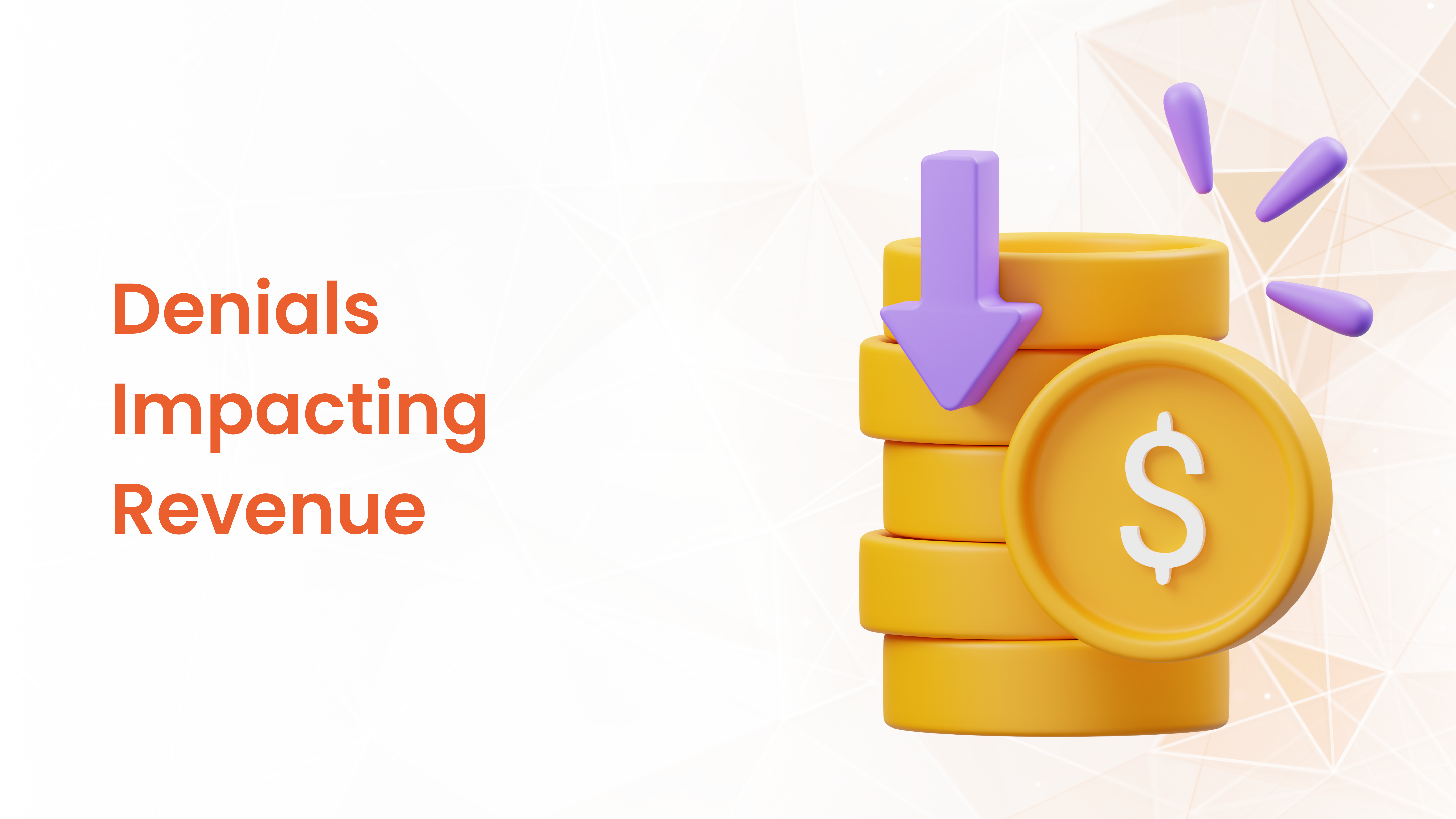
According to industry reports, claim denial rates in healthcare average around 10-15%. Each denied claim results in increased administrative costs, delays in payment, and reduced cash flow. Providers often spend additional time and resources on reworking denied claims, which leads to inefficiencies and revenue leakage.
A robust claim denial management strategy is essential to reverse these losses. And that’s where automation steps in.
How Automation Transforms Claim Denial Management
- Automated Error Detection AI-powered systems can detect errors before claim submission, reducing the risk of denials. By flagging missing information or inaccurate codes, these solutions ensure cleaner claims are submitted.
- Predictive Analytics for Preventing Denials Predictive analytics use historical data to identify patterns that lead to denials. With real-time insights, providers can proactively address issues and prevent denials from occurring.
- Streamlined Claims Processing Automation minimizes the manual workload by streamlining claims processing and follow-ups. AI algorithms can automatically track claim statuses, identify stalled claims, and suggest next steps.
- Intelligent Appeals Management When denials happen, automated solutions generate precise and timely appeals. With access to comprehensive data, providers can strengthen their appeal letters and increase the chances of overturning denials.
- Compliance Management AI-driven systems ensure compliance with payer guidelines by continuously updating to meet changing regulations. This reduces errors that commonly lead to healthcare claim denials.
The Role of RCM Consultants in Reducing Claim Denials
Revenue Cycle Management (RCM) consultants specialize in identifying inefficiencies within a provider’s revenue cycle. By analyzing patterns and recommending actionable solutions, they help providers reduce claim denials and achieve revenue cycle optimization.
Here’s how RCM consultants contribute:
- Denial Trend Analysis: RCM consultants assess historical claim data to pinpoint the root causes of denials.
- Customized Automation Solutions: They recommend and implement AI-powered solutions tailored to a provider’s specific needs.
- Staff Training: RCM consultants train staff to properly input claims, reducing errors that lead to denials.
- Ongoing Monitoring and Support: Continuous monitoring ensures providers stay on track with their claim denial management goals.
Key Benefits of Automating Claim Denial Management
Implemented AI-driven tools and achieved a 4.6% average monthly decrease in denials over six months. Additionally, the time spent on addressing denials decreased by a factor of four, with flagged claims being resolved in 3–5 minutes instead of the previous 12–15 minutes per correction. ( Annexmed )
- Increased Revenue Capture Automation significantly reduces the number of claim denials, leading to faster reimbursements and increased revenue.
- Operational Efficiency Staff can focus on high-value tasks instead of spending time on repetitive claim management processes.
- Improved Compliance AI solutions ensure claims comply with payer policies, minimizing the risk of denials due to non-compliance.
- Faster Appeals Process Automated appeal generation accelerates the appeal timeline, ensuring denials are resolved quickly.
- Data-Driven Decision Making Real-time insights enable providers to make informed decisions, further reducing the chances of future denials.
Common Challenges in Managing Claim Denials
Even with the best automation systems, providers can encounter challenges when implementing denial management strategies. Some of the most common issues include:
- Lack of Data Visibility: Without proper analytics, it’s difficult to identify the root causes of claim denials.
- Inconsistent Processes: Fragmented workflows increase the risk of human errors and duplicated efforts.
- Ineffective Appeals Management: Slow and ineffective appeals can lead to revenue loss.
- Lack of Staff Training: Employees without adequate knowledge of payer policies may submit inaccurate claims.
By partnering with experienced RCM consultants, providers can overcome these challenges and achieve successful claim denial management.
Implementing Automation for Claim Denial Management
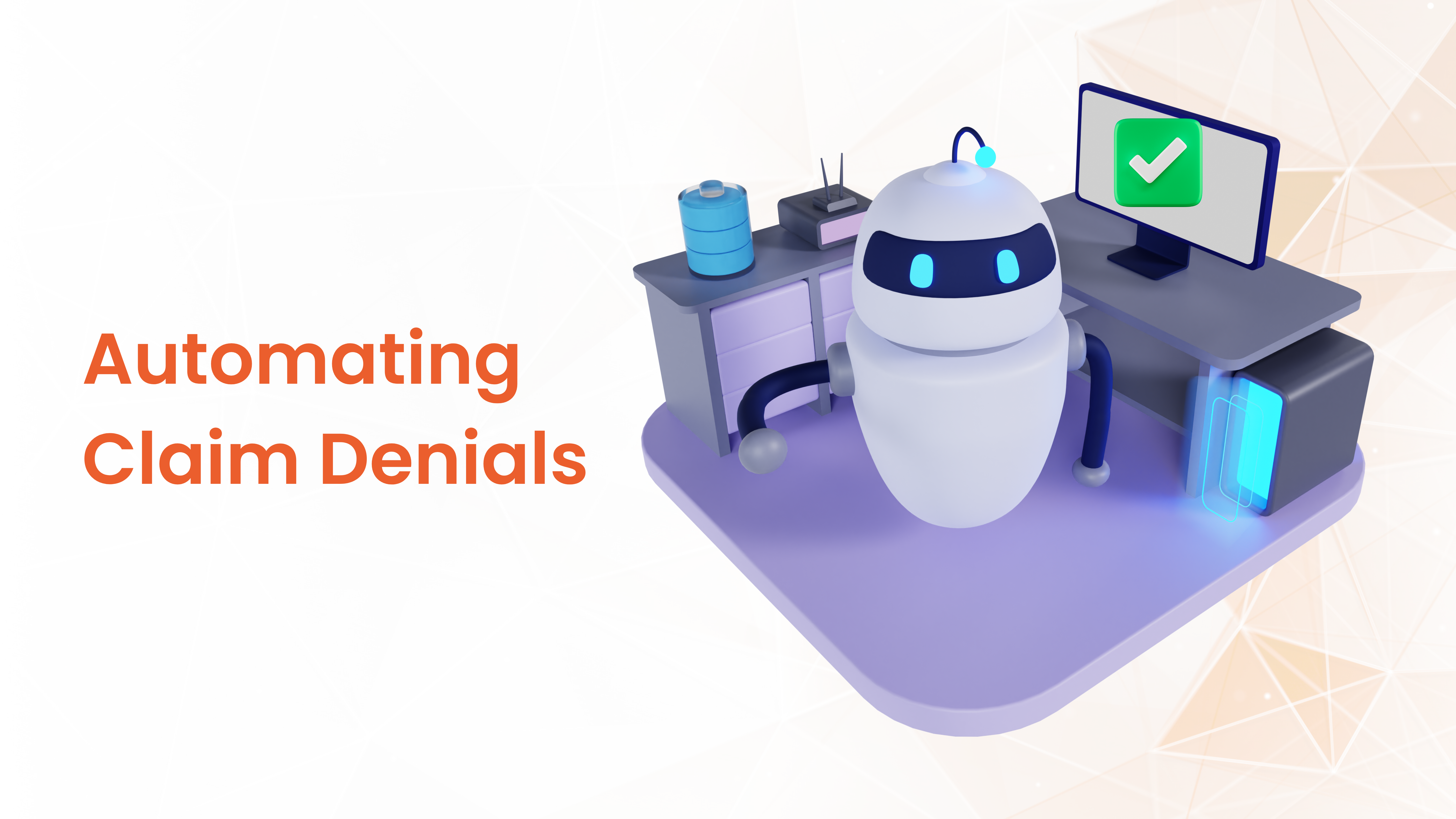
If your organization is considering automation for healthcare claim denials, follow these steps to ensure a successful implementation:
- Assess Your Current Denial Management Process: Identify pain points and track your current denial rates to understand where automation can add the most value.
- Choose the Right Technology: Select Denial Management AI solutions that offer predictive analytics, automated appeals, and customizable reporting.
- Partner with an RCM Consultant: Collaborate with experienced RCM consultants to maximize the benefits of automation. They provide expert guidance throughout the implementation process.
- Monitor and Adjust: Continuously monitor your denial rates and use the insights provided by automated systems to refine your processes.
Real-Life Example: The Impact of Automation
Consider a mid-sized healthcare provider struggling with claim denials. With a manual claims management process, their denial rate hovered at 14%, resulting in millions of dollars in unpaid claims.
After implementing an AI-powered denial management solution, the provider experienced the following results:
- 30% reduction in claim denials within six months
- 40% faster claims processing time
- 20% increase in revenue recovery through timely appeals
This success story illustrates how automation can drive meaningful financial improvements for healthcare providers.
BillingParadise: Your Partner in Claim Denial Management
When it comes to tackling healthcare claim denials, BillingParadise stands out as a leading RCM consultant offering comprehensive denial management AI solutions. With years of experience and a deep understanding of the complexities of claim denial management, BillingParadise helps healthcare providers reduce denials, accelerate reimbursements, and achieve sustainable revenue cycle optimization.
By leveraging BillingParadise’s cutting-edge automation technology and expert consulting services, providers can confidently navigate the challenges of claim denials and safeguard their financial health.